How to Start a Boat Rental Business in the USA (Lake & Coastal Guide)
The recreational boating industry is experiencing a massive wave of sustained growth. With over 85 million Americans participating in boating activities annually, launching a boat rental business usa wide represents an incredibly lucrative path for maritime entrepreneurs. For progressive startup founders, tourism entrepreneurs, and lifestyle investors looking to build profitable service companies, navigating commercial licensing or mastering localized asset management is the ultimate path to freedom. If you are ready to build a company on a solid foundation, check out the resources available at Reliablestartup.
Whether you plant your fleet on a bustling inland lake or along a high-traffic tourist coastline, the fundamental value proposition remains the same: you are providing access to the luxury boating lifestyle without the steep upfront costs and maintenance headaches of private ownership.
Starting this type of venture requires balancing passion with meticulous regulatory planning and strict risk management. This comprehensive guide details exactly how to navigate the legal frameworks, select your vessel mix, and construct a highly profitable operational model from day one. Understanding these regional dynamics is the first step in your how to start boat rental journey.
Analyzing the Market: Lake vs. Coastal Demographics
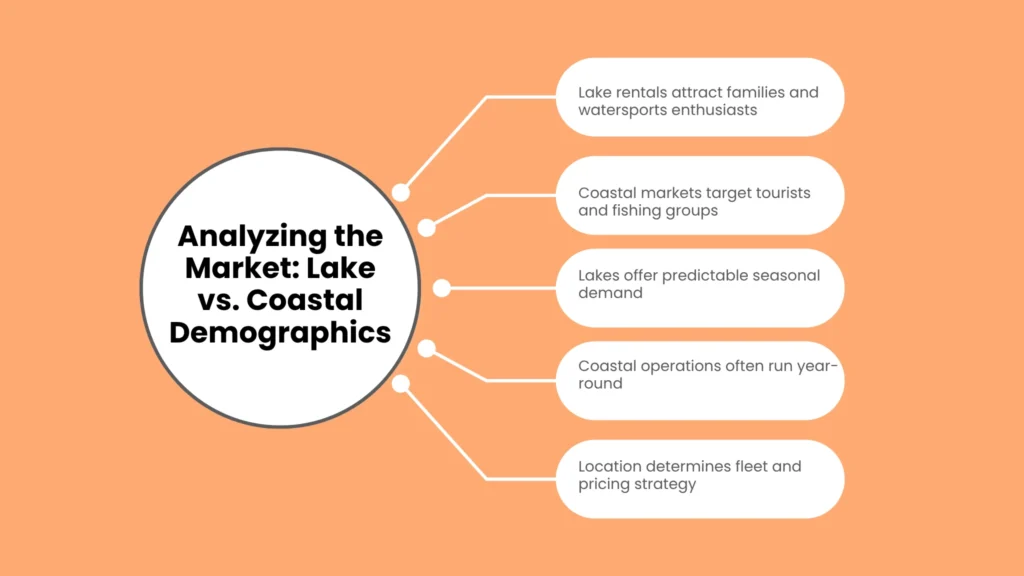
The geographical location of your rental hub dictates your asset selection, seasonal operations, and core pricing strategies.
Inland Lake Rental Operations
Lake rentals are typically driven by family vacations, local weekend warriors, and watersports enthusiasts. The demand centers heavily around pontoon boats, tow-boats for wakeboarding, and operating a secondary jet ski rental business alongside your main fleet. On a premium lake location, your operational window is highly seasonal, often compressed into a 120-day peak window between Memorial Day and Labor Day, but it benefits from protected waters, minimal hull wear, and highly predictable local weekend traffic.
Coastal and Ocean Charter Outposts
Coastal operations cater to tourist crowds, deep-sea fishing groups, and luxury island excursions. Here, the market shifts toward sturdy center consoles, powered catamarans, and specialized yachts. Coastal businesses often enjoy a much longer, sometimes year-round—operational season, but they must contend with harsh saltwater corrosion, complex tidal changes, and strict ocean navigation regulations.
Fleet Mix and Estimated Revenue Potential
Your fleet composition directly determines your capital expenditure requirements and your eventual seasonal yield. Mixing stable, high-capacity passenger vessels with fast, high-thrill watercraft maximizes your customer base.
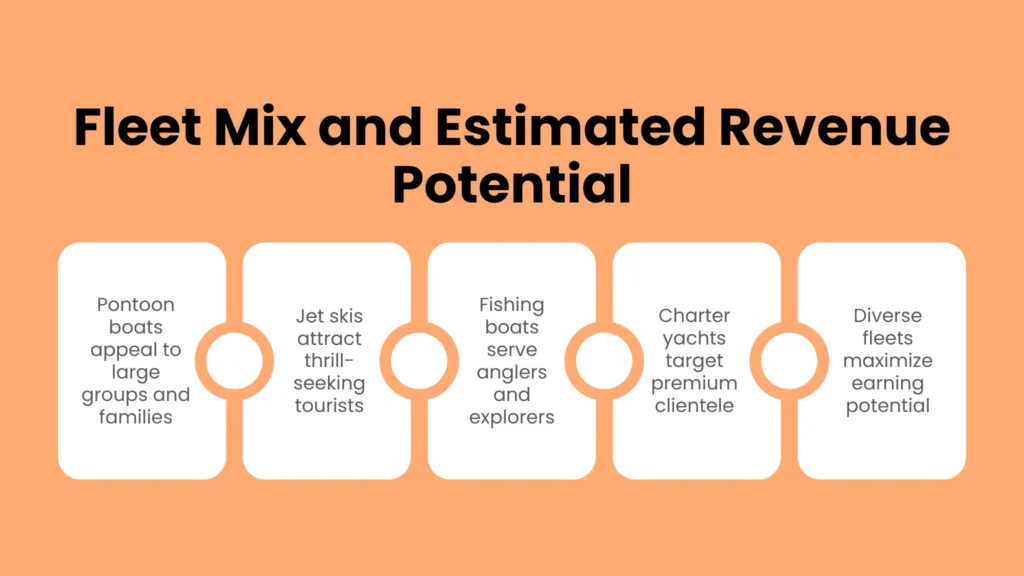
The following data matrix outlines typical investment thresholds, average daily rental rates, and realistic boat rental income lakes and coastal hubs can generate during peak operational months, based on available market data.
| Vessel Type | Average Upfront Cost (New) | Peak Daily Rental Rate | Primary Target Demographic | Estimated Monthly Revenue (per Unit) |
| Luxury Pontoon Boat | $35,000 to $65,000 | $450 to $800 | Large families, party groups, casual cruisers | $7,500 to $12,000 |
| Personal Watercraft (PWC) | $12,000 to $18,000 | $250 to $450 | Thrill-seekers, couples, younger tourists | $4,000 to $7,000 |
| Center Console (Fishing) | $50,000 to $90,000 | $600 to $1,100 | Anglers, coastal explorers, divers | $9,000 to $15,000 |
| Crewed Day Charter Yacht | $120,000+ (Used) | $1,500 to $3,500 | Luxury clients, corporate events, bachelorette parties | $18,000 to $30,000 |
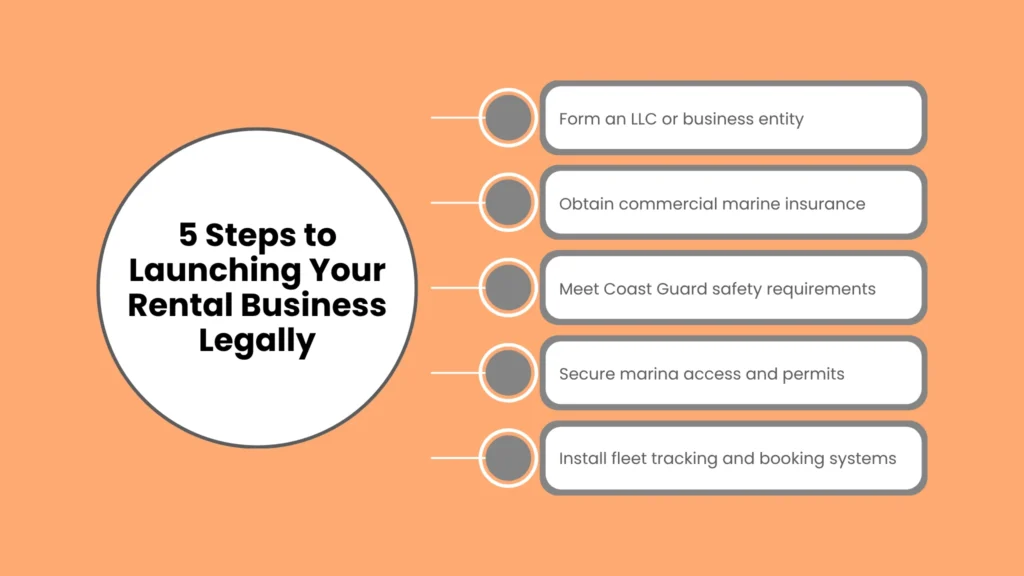
5 Steps to Launching Your Rental Business Legally
Operating a commercial maritime fleet involves strict regulatory oversight. Skipping a single compliance step can result in catastrophic liability or the immediate impoundment of your vessels by local authorities.
Managing Risk: The Digital Safety Briefing
The single greatest operational hazard in the watercraft rental industry is renting a high-powered machine to an inexperienced operator. Mitigating this risk requires a bulletproof, repeatable onboarding process.
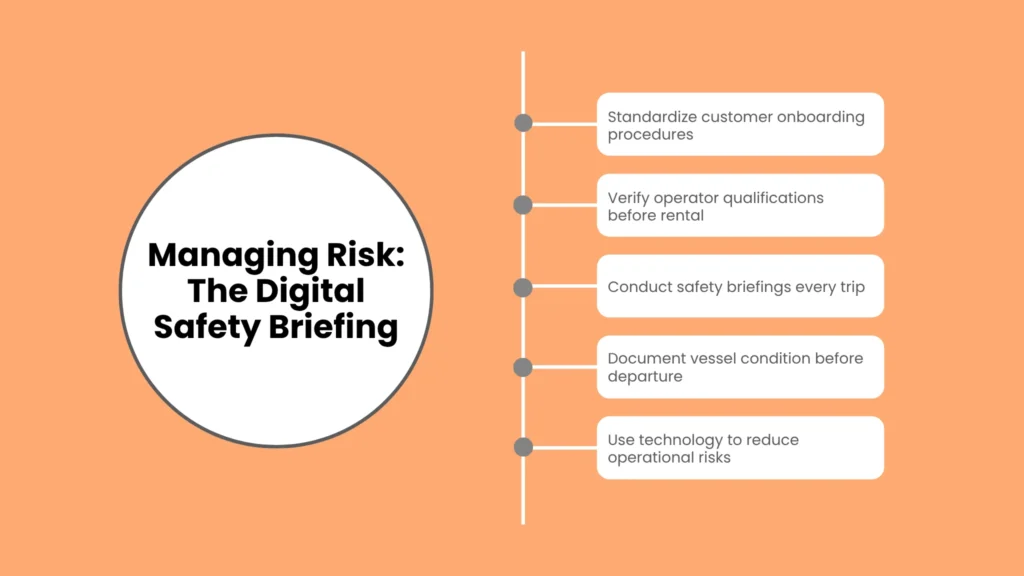
Mandate Boating Safety Certificates
Many states require any operator born after a specific year to possess a valid boater safety card. Make it a strict policy to verify these credentials during the online checkout process. For tourists who lack a certificate, integrate a brief, state-approved temporary rental course directly into your booking software. If your brand also offers auxiliary overland transportation rentals, you can cross-reference safety protocols in our breakdown of the safest luxury SUVs.
Execute the Pre-Rental Inspection Dockside
Before handing over the keys, a staff member must walk the customer through a physical inspection of the vessel. Document existing hull scratches, check prop condition, and show the customer the exact location of all required safety gear, including life jackets, fire extinguishers, and throw flares.
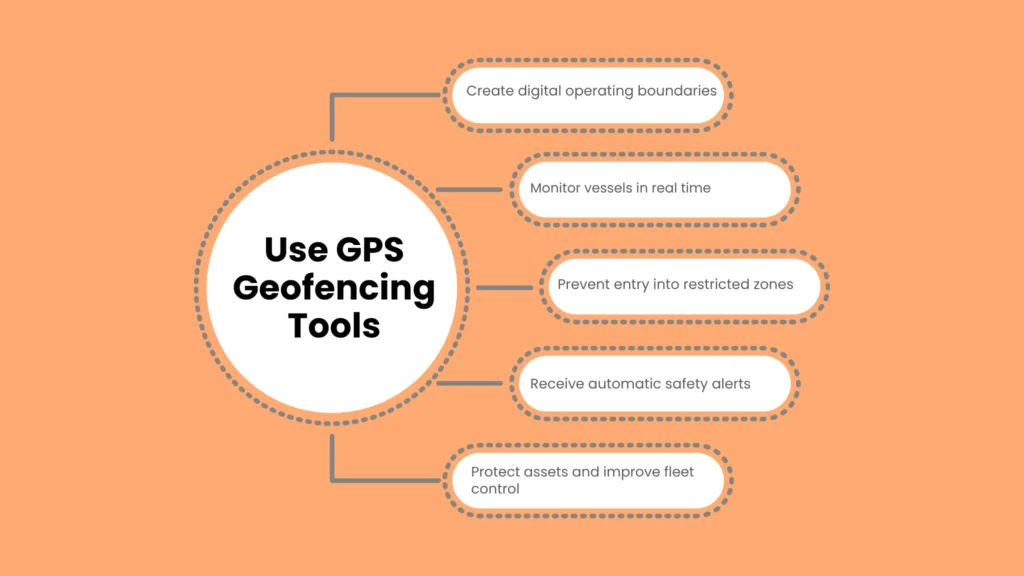
Use GPS Geofencing Tools
Modern fleet tracking software allows you to map out invisible digital boundaries on the water. If a customer tries to take a lake pontoon boat into a dangerous rocky shallow zone, or pushes a jet ski past your approved coastal boundary lines, the system automatically alerts your dock staff and can even safely limit the vessel’s engine speed remotely.
Conclusion
Building a successful boat rental business usa wide blends the undeniable joy of the maritime lifestyle with highly robust, scalable business mechanics. By choosing the right fleet layout for your local waters, prioritizing water safety protocols, and systematically de-risking your investment with commercial insurance structures, you can capture highly lucrative seasonal revenue streams. Turn your execution ideas into a realistic roadmap by visiting Reliablestartup to discover practical tools designed to maximize your long-term operational success.
Frequently Asked Questions
Is running a jet ski rental business more profitable than renting boats?
Personal watercraft (PWCs) often yield a higher profit margin per dollar invested because they have lower initial purchase prices and higher turnover rates. However, they suffer from significantly higher physical damage rates, increased insurance premiums, and require more frequent maintenance updates than larger pontoon platforms.
What happens if a customer damages a rental boat hull or propeller?
Your operational software should hold a mandatory pre-authorized security deposit on the customer’s credit card before they leave the dock. If minor hull scrapes or prop dings occur, the repair costs are deducted directly from that security hold. For major structural accidents, your commercial marine insurance policy steps in after the deductible is covered.
Can I run a boat rental business without owning a physical marina?
Yes. Many creative operators run lean businesses using a mobile delivery model. They store their vessels on trailers in secure, low-cost inland storage yards and use heavy-duty trucks to launch and retrieve the boats at public ramps based on direct customer bookings, completely avoiding expensive monthly marina slip fees.
What is the legal passenger limit for a standard uncrewed rental boat?
Under federal USCG regulations for recreational bareboat charter operations, uncrewed rental vessels can carry a maximum limit of 12 passengers, plus the charterer, provided the vessel’s manufacturing plate explicitly rates the hull for that total weight capacity. Exceeding this line pushes you into commercial passenger vessel laws, which require advanced structural inspection certifications.