Best Prenatal Vitamins for Pregnancy: Top Choices for 2026
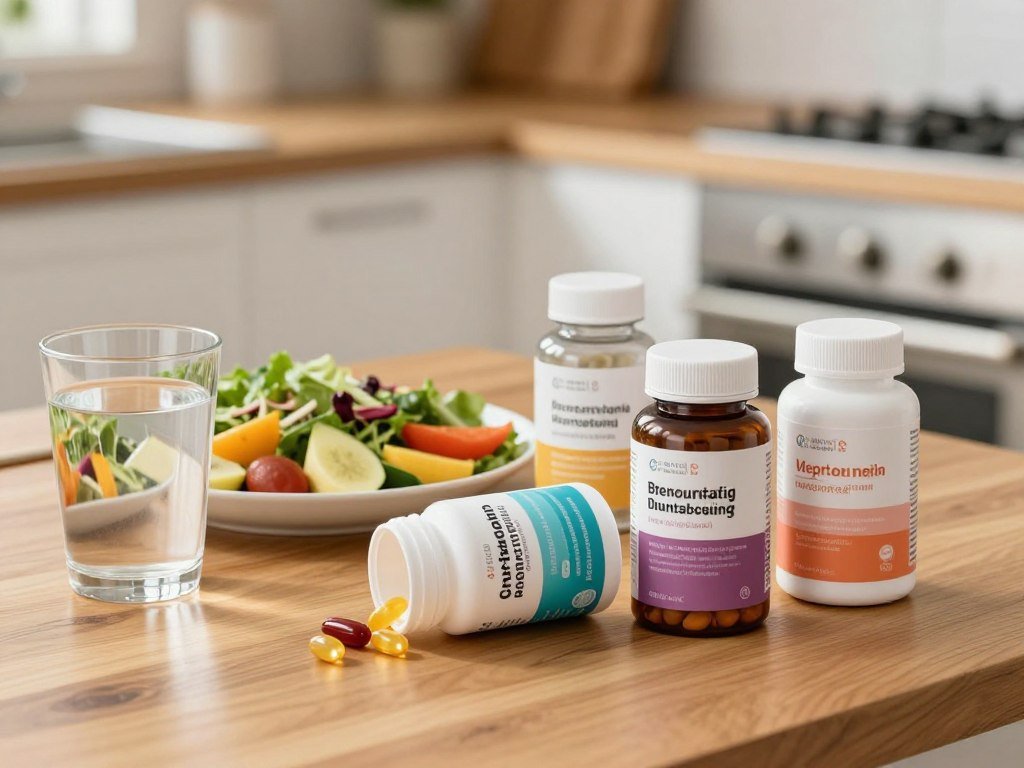
Choosing a prenatal can feel like a small decision with a long list of labels to compare. If you are planning a pregnancy or already pregnant, pill burden, cost, food choices, and health needs can all shape your decision. A useful comparison can make the labels easier to understand without asking you to find one perfect formula.
A prenatal vitamin adds nutrients to your diet; it does not replace food. The best prenatal vitamins for pregnancy are not the same for everyone. Your preferred form, budget, and personal needs all matter, along with whether you can follow the serving directions.
This article offers a practical way to compare nutrients, labels, formats, and daily routines. You can use those details to narrow your choices and talk with your prenatal care clinician. DFE means dietary folate equivalents, a label unit that accounts for differences in how the body absorbs folate from foods and supplements.
Key Takeaways
- Compare the full daily serving, not just the front label.
- Look at nutrients that have pregnancy-specific needs.
- Choose a form and serving you can take as directed.
- Food remains part of a healthy pregnancy diet.
- Ask a clinician about personal health needs and other supplements.
A useful starting point is a product you can take consistently and discuss with your clinician.
When Should You Start Taking a Prenatal Vitamin?
Start folic acid at least a month before conception when possible, because neural tube development begins early in pregnancy. The best prenatal vitamins before pregnancy are those that provide recommended folic acid and suit a routine you can maintain.
The USPSTF recommends 400 to 800 mcg of folic acid per day for people planning to become pregnant or who could become pregnant. It advises starting at least one month before conception and continuing through the first two to three months of pregnancy.

Start folic acid before conception when possible, and continue through early pregnancy. If pregnancy has begun, do not wait to begin supplementation.
ACOG advises taking a prenatal vitamin with at least 400 mcg of folic acid, starting at least one month before pregnancy if possible. ACOG recommends continuing through the first 12 weeks. The USPSTF folic acid guidance covers people planning or able to become pregnant.
If you are already pregnant and have not started, begin promptly and contact your prenatal care clinician. They can help you choose a prenatal that fits your health history and current medicines.
Which Nutrients Matter Most During Pregnancy?
A prenatal label is easiest to assess when you compare its nutrients with pregnancy-specific needs, not just the general daily value. Four nutrients deserve a close look because their pregnancy targets may differ from everyday label values.
Check iron, iodine, choline, and vitamin D against these daily pregnancy amounts. A prenatal may not cover every target, so read the whole serving and consider your diet, too.
| Nutrient | Daily pregnancy amount | Why to check it |
|---|---|---|
| Iron | 27 mg | Supports increased blood needs |
| Iodine | 220 mcg | Supports thyroid function |
| Choline | 450 mg | Supports fetal growth and development |
| Vitamin D | 600 IU | Supports bone health and growth |
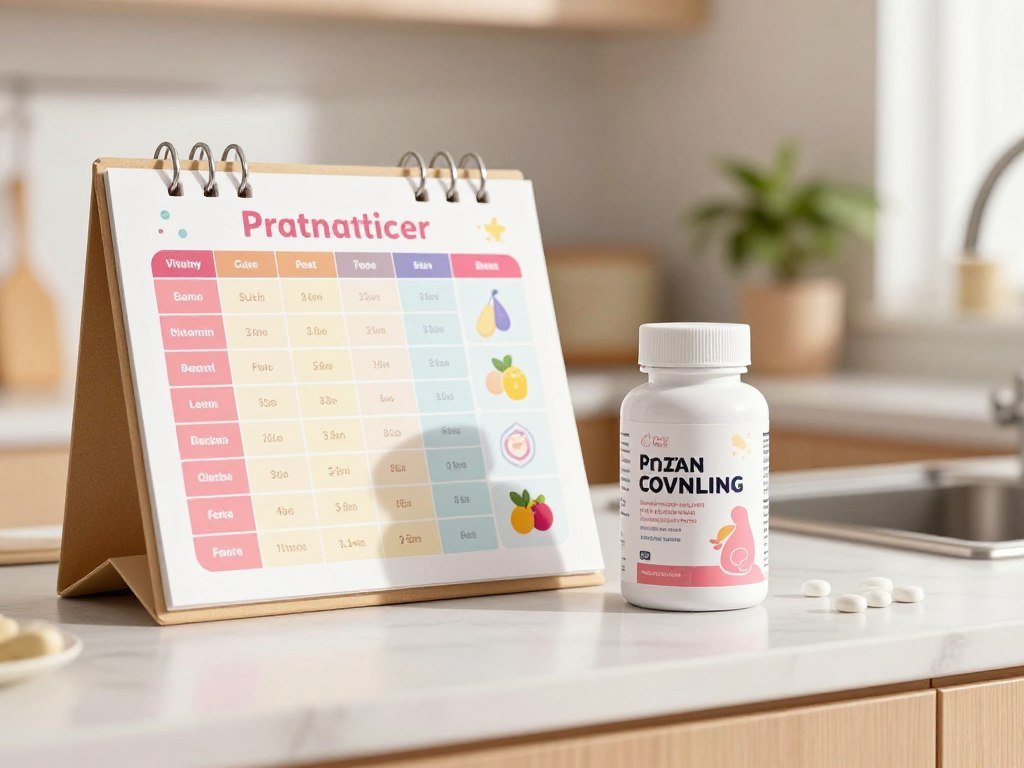
Folic Acid and Neural Tube Development
Folic acid helps prevent neural tube defects, which affect early development of the brain and spinal cord. The neural tube forms before many people know they are pregnant, which is why early folic acid use matters.
Folate is vitamin B9, found in foods and supplements. Labels may show folate as mcg DFE, or dietary folate equivalents. DFE accounts for absorption differences between folate from foods and forms found in supplements.
Iron and Iodine for Pregnancy
Iron supports the body as blood volume rises during pregnancy. Iodine helps the thyroid make hormones needed for growth and brain development. Your diet and health history can affect whether a prenatal alone meets your needs.
The label may list a nutrient amount in milligrams (mg) or micrograms (mcg). Those units are not interchangeable, so compare each nutrient using the unit shown in its pregnancy target.
Choline and Vitamin D
Choline supports fetal growth and brain development, while vitamin D helps the body use calcium and supports bone health. Many prenatal vitamins contain little choline, so check its line rather than assuming the product covers it.
Pregnancy needs can be different from the general daily value printed on a package. Check choline separately, since the amount in a prenatal may not cover the full daily need.
How Can You Judge a Prenatal Label’s Quality?
A polished label is not proof that every nutrient amount matches what is inside the bottle. Label details matter, especially when you are comparing prenatal supplements for their nutrient levels.
Check the serving size and amounts per serving before comparing products. A recent test of 17 popular prenatal vitamins found that some key nutrient amounts were much higher or lower than their labels stated. An analysis of more than 400 products on the U.S. market also found many lacked the right amounts of key ingredients.
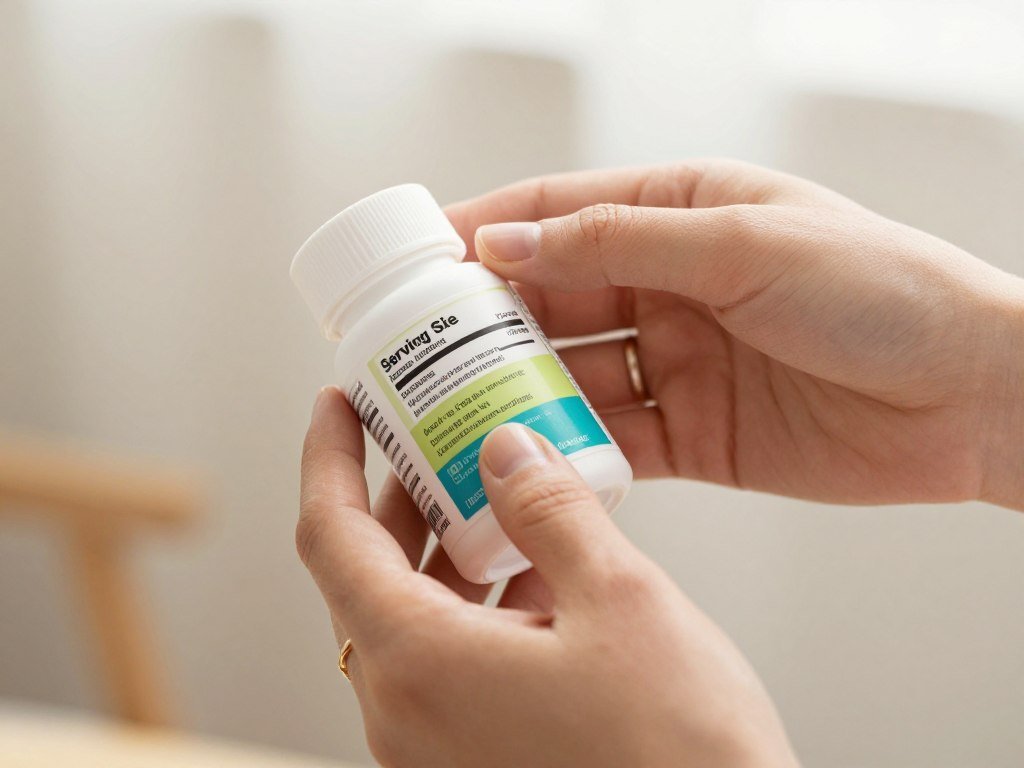
Those findings show why the label alone may not confirm actual nutrient content. Use this checklist to read the package closely:
- Serving size: count the tablets, capsules, or scoops in one full serving.
- Amount per serving: compare the full serving, not one pill.
- Nutrient form: note whether folate appears as folic acid or another form.
- Ingredient list: scan for ingredients that conflict with your diet or needs.
- Independent testing: check whether a third party reviewed the product.
Names on the front can hide differences in the daily serving. A bottle may call itself a multivitamin, but the actual contents depend on its listed ingredients and amounts.
Some products split a serving across several pills. That can make the serving size less obvious, especially if one bottle contains tablets and a separate softgel.
Compare the exact serving size and ingredient amounts before judging two products by their front labels.
Best Prenatal Vitamins for Pregnancy: Top Choices for Different Needs
TheraNatal Complete is a strong option for someone who wants a prenatal serving divided between tablets and a softgel. Its multi-part daily serving includes DHA alongside several key nutrients.
These picks fit different routines; they are not formulas everyone needs to take. A daily prenatal should match your preferences, nutrient priorities, and ability to follow the full serving instructions.
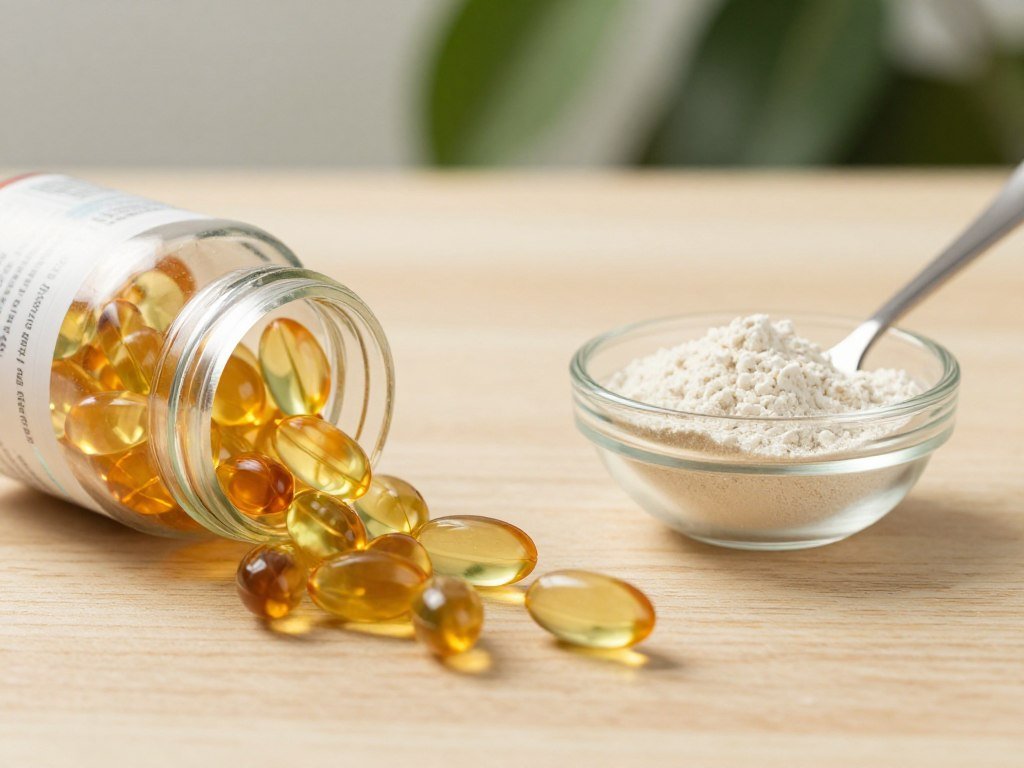
TheraNatal Complete for a Multi-Part Daily Serving
TheraNatal Complete is the leading choice here for someone seeking a multi-part serving with DHA. Each daily serving includes two tablets and one softgel, taken with food. The product comes as a 13-week supply.
Its daily serving provides 27 mg of iron, 150 mcg of iodine, and 250 mg of choline. It also includes 300 mg of DHA, 48 mg of vitamin B6, and 75 mcg (3,000 IU) of vitamin D3.
TheraNatal is a Theralogix prenatal option. Its divided serving may suit you if you do not mind taking several pills with a meal. That routine may feel like too much if you prefer one quick dose.
Its specific nutrients give you a clear way to compare the full serving with your priorities. Check each amount against the daily targets and your clinician’s advice.
Nature Made Prenatal Multi for a Single Softgel
Nature Made suits people who want one softgel rather than several pills. The directions call for one softgel daily with water and a meal. That simple serving may be easier to fit into a steady routine.
The product’s daily softgel contains folic acid, iron, iodine, omega-3 fatty acids, and vitamin D3. A single softgel limits pill count, though it may not meet every nutrient need for every person.
Check the whole label before choosing it for a specific nutrient priority. A short serving does not mean it contains every nutrient you may need from food or other care.
FullWell Prenatal for an Eight-Capsule Routine
FullWell may fit someone willing to take eight capsules in a daily serving. That is a substantial pill count, so think about whether you can manage it on busy days as well as calm ones.
A larger serving can make it easier for a formula to include more ingredients. It can also feel burdensome if swallowing several capsules is hard or nausea makes pills unappealing.
Look at the full serving and compare it with the nutrients you want to prioritize. You do not need to choose a higher pill count simply because it appears more complete.
Thorne Basic Prenatal for a Three-Capsule Routine
Thorne Basic Prenatal has a three-capsule daily serving. It may work for someone who prefers capsules and can take more than one pill without trouble.
Three capsules are fewer than an eight-capsule routine, but still require planning. Review the label for its nutrient forms and amounts, then consider how it fits your diet and clinician’s guidance.
Capsules can be easier for some people to swallow than tablets, while others prefer a softgel or powder. Your own comfort matters more than a format’s popularity.
Needed Prenatal Multi Powder for a Powder Format
Needed Prenatal Multi Powder may suit someone who prefers mixing a powder rather than swallowing pills. It can offer another way to take a prenatal, though mixing adds a step to the daily routine.
Read the directions for the serving and how to prepare it. Consider whether the taste, texture, and time needed make the product realistic for regular use.
Each pick serves a different preference, from a single softgel to a larger capsule serving or powder. Choose the pick whose serving instructions fit your actual daily routine.
How Much Do Prenatal Vitamins Cost in 2026?
In the 2026 comparison, listed monthly costs range from $15 for Nature Made to $65 for Needed Prenatal Multi Powder. The listed figures help compare products, but they are not a promise of the price at every retailer.
Nature Made is the lowest listed monthly price, while Needed powder is the highest. The table also shows folate form and iron amounts where stated.
| Product | Listed monthly price in 2026 guide | Folate amount and form | Iron amount |
|---|---|---|---|
| Nature Made | $15 | 800 mcg folic acid | 27 mg |
| FullWell | $58 | 1,360 mcg methylfolate | 27 mg |
| Thorne Basic Prenatal | $32 | 1,000 mcg methylfolate | 25 mg |
| Ritual | $39 | 1,000 mcg methylfolate | 18 mg |
The monthly price does not show how many pills you take or whether a product fits your diet. A lower cost may still leave a nutrient gap that food or clinician advice must address.
Nature Made’s daily softgel provides folic acid, iron, iodine, omega-3 fatty acids, and vitamin D3. The Nature Made daily label details list 800 mcg folic acid, 27 mg iron, 150 mcg iodine, 260 mg omega-3 fatty acids, and 25 mcg vitamin D3.
The 2026 guide lists monthly costs as comparison figures, not a promise of the price at every retailer. Recheck the serving size as well as the price, since a low monthly figure is not a nutrient comparison by itself.
Which Prenatal Form Is Easiest to Take?
The easiest prenatal form is the one you can take consistently without adding an unplanned burden. Tablets, capsules, softgels, gummies, and powders all have different practical tradeoffs.
Gummies may be easier to take, but they may not provide enough iron. ACOG advises discussing any separate iron supplement and its amount with an ob-gyn.
| Form | Practical fit | Label check |
|---|---|---|
| Tablets | May suit people who prefer a firm pill | Check pill count per serving |
| Capsules or softgels | May feel easier to swallow for some | Check nutrients in the full serving |
| Gummies | May suit people who avoid pills | Check iron and other nutrients |
| Powders | May suit people who prefer mixing a drink | Check scoop size and directions |
Capsules and softgels may be large, while tablets can feel firm or chalky. Taste, texture, and how often you need to take a serving can affect whether the routine works for you.
Some prenatal supplements come as gummies, but the format can limit how much iron a product holds. Do not assume that a gummy’s pleasant taste means it covers every nutrient you need.
Powder requires a cup, liquid, and mixing time, which may be easy at home but awkward away from home. A serving split across formats can also add steps to your day.
Check the iron line before choosing gummies, and ask your ob-gyn whether a separate iron product is appropriate.
How Do You Take Prenatal Supplements Safely?
Follow the serving printed on the label rather than taking extra because a nutrient amount seems low. More is not always safer, especially when you combine multiple supplements.
ACOG advises taking only one serving of a prenatal supplement per day. Use these checks to lower the chance of a dosing mistake:
- Follow the package serving, including the number of pills or scoops.
- Do not take extra servings to raise a nutrient amount.
- Ask a clinician before combining a prenatal with other supplements.
- Keep iron-containing products out of children’s reach.
Different products may share ingredients, so taking them together can raise your total intake. Bring the labels of your current products to a clinician before adding another supplement.
Iron-containing products can cause serious harm if a young child swallows too many. Accidental iron overdose can be fatal for children under six.
Keep any iron-containing prenatal securely out of children’s reach.
Can Food Fill Common Gaps in a Prenatal?
Eggs are one familiar food source of choline, a nutrient missing from many prenatal formulas. Food can help fill gaps, while a prenatal supplements a varied diet rather than replacing it.
Choline-containing foods include eggs, beef, chicken, milk, soy products, and peanuts. Which choices work for you depends on food preferences, allergies, access, and any diet restrictions.
Meals do not need to look the same every day to contribute useful nutrients. A mix of foods can support pregnancy needs, while a prenatal may supply nutrients that are harder to get regularly.
For example, a person who avoids animal foods may choose soy products, while someone with a peanut allergy needs other options. Dietary restrictions can change which foods are practical, so consider the foods you actually eat.
Planning meals around healthy food choices may help you build a varied diet. That page covers food companies and products, not pregnancy-specific nutrition advice.
Keep a simple record of usual meals if you are unsure which foods appear often. It can help make a conversation about your diet more concrete.
If your usual diet excludes several of these foods, note that when reviewing your nutrient intake with a clinician.
Folic Acid or Methylfolate: Which Form Should You Look For?
Folic acid and methylfolate are both forms of vitamin B9, but they are not the same label term. The named form matters when comparing folate on prenatal labels.
The USPSTF recommendation specifically names folic acid. If a product uses another form and you have a medical concern, ask your clinician how that label fits your needs.
What Folic Acid Means on a Label
Folic acid is a supplemental form of vitamin B9. It may appear on a supplement label by that name, while food folate comes from naturally occurring forms in foods.
Some labels use DFE to express folate amounts. DFE means dietary folate equivalents, a unit that accounts for different absorption from foods and supplements. Read both the amount and the named form rather than looking at a number alone.
Folic acid and folate are related terms, but labels may use them in different ways. Check the ingredient list and supplement facts panel to see which form the product contains.
How Methylfolate Appears in Product Comparisons
Methylfolate is another form of vitamin B9 used in some prenatal supplements. Product comparisons may state its amount directly, so note the form before comparing the number with a product listing folic acid.
Do not treat every folate entry as equal just because each relates to vitamin B9. A clinician can help interpret a product label when a health condition or medical concern affects your choice.
When comparing labels, check the named form rather than treating every folate entry as identical.
Do You Need Extra Iron, DHA, or Vitamin D?
An extra supplement makes sense only when there is a specific nutrient gap or a clinician-recommended reason. Your current prenatal, diet, and health history shape whether an add-on fits.
Compare your prenatal label and diet before adding iron, DHA, or vitamin D. Taking another product without checking the full intake can add nutrients you already get from other sources.
Iron may need separate review if your prenatal and diet do not fit your needs. A clinician can consider your health history and, when relevant, lab results before advising a dose.
DHA is an omega-3 fatty acid included in some prenatals and absent from others. Your diet and current product help determine whether a separate DHA product makes sense.
Vitamin D is another nutrient to check on the label. A clinician can weigh the amount in your prenatal alongside your diet and health history.
Do not add a separate iron product without checking the dose with your clinician.
What Should You Know About New Chapter Prenatals?
New Chapter lists two prenatal products here at sale prices of $24 and $35. Their prices and labels are only one part of deciding whether either product fits your routine.
Compare each product with your nutrient priorities, serving instructions, dietary restrictions, and clinician advice. A brand name alone cannot show whether a formula suits your personal needs.
One Daily Prenatal Multivitamin
New Chapter lists One Daily Prenatal Multivitamin at a sale price of $24. The name points to a daily format, but you should still read the current serving directions and nutrient panel.
Check its ingredients against any dietary restrictions and compare the full serving with the nutrients you want to prioritize. A product that fits a preferred brand or format may still need review against your clinician’s advice.
Read the label for the exact serving and ingredients before making a choice. Names and packaging do not replace the facts on the current product panel.
Advanced Perfect Prenatal Multivitamin
New Chapter lists Advanced Perfect Prenatal Multivitamin at a sale price of $35. Compare its serving directions and ingredient panel with the One Daily option, rather than assuming one is a better fit from its name.
People looking for New Chapter prenatal vitamins for people 35 and older should note that the named products here are One Daily and Advanced Perfect. This is not an evaluation of a separate age-specific formula.
A suitable prenatal depends on its actual ingredients, daily serving, dietary fit, and your health needs. Confirm the current label and price before deciding whether either formula fits your needs.
Who Needs Individualized Folic Acid Advice?
A history of a neural tube defect in a previous pregnancy is a reason to get a clinician’s specific folic acid advice. Some situations need a personal plan beyond general guidance.
The standard recommendation excludes people with a previous affected pregnancy and certain high-risk factors. Contact an ob-gyn or prescribing clinician for a plan based on your history.
| Situation | Why individual advice matters | Next step |
|---|---|---|
| Previous pregnancy affected by a neural tube defect | Past history changes risk review | Contact an ob-gyn |
| Certain antiseizure medications | Some medicines affect folic acid advice | Contact the prescriber |
| Family history of neural tube defects | Family history may affect risk review | Ask an ob-gyn for a plan |
The USPSTF general recommendation does not cover people with a previous pregnancy affected by a neural tube defect. It also excludes people at very high risk, including some taking certain antiseizure medications or with a family history of neural tube defects.
Your clinician can consider the reason for a medicine, its dose, and your personal history. Do not rely on a standard prenatal label to set an individualized plan.
Ask your prescribing clinician before changing an antiseizure medication or supplement dose.
What Does Third-Party Certification Tell You?
A recognizable certification mark is a useful check, but its value depends on what that specific program verifies. Certification has a defined scope, so a seal does not answer every quality question.
Check what the program tested and which exact product it covered. Examples of third-party seals include USP, NSF International, ConsumerLab.com, and UL.
TheraNatal Complete is certified by NSF International for content accuracy and purity. Its fish oil is certified by the International Fish Oil Standards program and tested for mercury, lead, and PCBs.
Nature Made Prenatal Multi Folic Acid + DHA is USP verified. A seal can support a quality check, but the scope differs by program and product.
Use this short list when you see a certification mark:
- Exact seal name: read the words rather than relying on the logo.
- Product identity: match the certification to the product you are buying.
- Scope: check which quality features the program reviewed.
- Current status: confirm the product still holds the certification.
A certification may cover ingredient identity, content accuracy, purity, or another stated feature. It does not automatically confirm that a formula meets your personal nutrient needs.
Match the seal to the exact product and the quality question you want answered.
How Do You Balance a Short Serving With Broader Coverage?
A prenatal that looks comprehensive on paper is not useful if its daily serving is difficult to manage. Routine matters because a supplement only helps when you can take it as directed.
Choose based on the full serving and your ability to keep taking it. Use these checks to balance pill burden with the nutrients you want to prioritize:
- Choose the nutrients you want to prioritize.
- Check the complete serving rather than one capsule.
- Assess whether the serving is comfortable and tolerable.
- Set a budget that works for regular use.
A product with more ingredients is not automatically the best fit if its serving is hard to maintain. A shorter serving may ease pill burden, while a more involved formula may require several tablets or capsules.
Think about the routine you can follow on ordinary days, not just the first day with a new bottle. The label serving and your comfort both matter when choosing a prenatal.
Favor the option that meets your priorities and fits a routine you can maintain.
What Should You Ask Your Clinician Before Choosing?
A clinician can tailor a prenatal recommendation to details a product label cannot account for. Your full health picture can affect which supplement and serving fit.
Ask your clinician to review your medications, medical history, diet, lab results, and current supplements. Those details may change how a prenatal fits your health needs.
Bring your current supplement list and the product label to the appointment. A clinician can review them alongside your medicines, diet, and health history.
Mention prescription medications, including any recent changes. Share your usual diet and any foods you avoid, since those details can shape a nutrient review.
Lab results, when available, can add useful information to that conversation. Bring the product label and your current supplement list to the appointment.
Conclusion
The most useful prenatal is one that matches your needs and is realistic to take consistently. Your routine and priorities matter as much as the product name.
Check the label against your nutrient priorities and discuss personal needs with your prenatal care clinician. A clear serving, a manageable format, and a suitable fit can help you make a thoughtful choice.
Before buying, compare the serving label with your priorities and take your questions to your clinician.
FAQ
What vitamins should I take to try and get pregnant?
Take 400 to 800 mcg of folic acid daily when planning pregnancy or if you could become pregnant. Start at least one month before conception when possible. A prenatal vitamin may provide folic acid along with other nutrients, but check the label for its form and serving. Your clinician can review your health history, diet, and medicines.
What is the #1 most trustworthy vitamin company?
No single vitamin company ranking establishes which brand is most trustworthy. Check whether an independent certification applies to the exact product, what the certification program tests, and whether the label clearly lists serving size and ingredients. A trusted brand still may not fit your diet or nutrient needs. Ask a clinician to review a product if you have a medical concern.
When to start taking prenatal vitamins?
Start at least one month before conception when possible, with folic acid continuing through the first two to three months of pregnancy under USPSTF guidance. Early neural tube development is why the timing matters. If you are already pregnant and have not started, begin promptly and contact your prenatal care clinician about a suitable product.
What is the cleanest brand of prenatal vitamins?
“Cleanest” has no single standard meaning for prenatal vitamins. Compare the ingredient list with your dietary needs, restrictions, and health history. If a product carries a third-party certification, check what the program tested and whether the seal applies to that exact product. A short ingredient list does not by itself show that a prenatal meets your needs.
What are the top 5 prenatal vitamins?
The five picks are TheraNatal Complete for a multi-part serving with DHA, Nature Made for one softgel, FullWell for an eight-capsule serving, Thorne for a three-capsule serving, and Needed Prenatal Multi Powder for a powder format. They suit different routines rather than ranking one formula as best for everyone. Compare each full serving with your own priorities.
Are there any prenatals to avoid?
Avoid taking more than the serving on the label or combining products without checking with a clinician. A product may also be a poor fit if its ingredients conflict with your dietary needs or health history. People with certain risk factors or medicines may need individualized folic acid advice. Ask a clinician before changing a supplement dose.
What are the safest prenatal vitamins to take?
A suitable prenatal has a clear label, a serving you can follow, and ingredients that fit your needs. Take it as directed, and tell your clinician about other supplements and prescription medicines. If you have a health condition or concerns about a nutrient form, ask for personal advice before choosing or changing products.
Is there a downside to taking prenatals?
Some people find a prenatal hard to swallow or tolerate, and taking more than directed can create risk. A serving split across several pills may also feel burdensome. Do not add extra doses to make up for a nutrient amount without advice. Discuss persistent side effects or trouble taking a product with your clinician.
About The Author