Is a Kayak Rental Business Profitable? Real Numbers and Margins
Starting an outdoor adventure company is a dream for many entrepreneurs. If you live near a busy lake, a scenic river, or a popular beach, you have likely watched families and tourists flock to the water. This observation often leads to a natural question: is kayak rental business profitable?
The short answer is yes, absolutely. Kayaking is a highly accessible water sport that requires no special licensing or expensive fuel. Because consumers prefer renting bulky outdoor gear over buying and transporting it, the rental market is thriving.
However, you cannot build a sustainable company on guesswork. To succeed, you need to understand the true startup costs, operational requirements, and revenue potential. This guide breaks down the real numbers behind a watercraft venture to help you launch successfully this year.If kayaking isn’t the only outdoor niche catching your eye, this roundup of easy rental business ideas covers other low-investment recreational ventures worth exploring before you commit to one model.
The Core Math: Kayak Rental Profit Margin
When exploring this industry, the numbers speak for themselves. The kayak rental profit margin is one of the highest in the entire recreation sector, typically ranging between 45% and 60% for well-run locations.
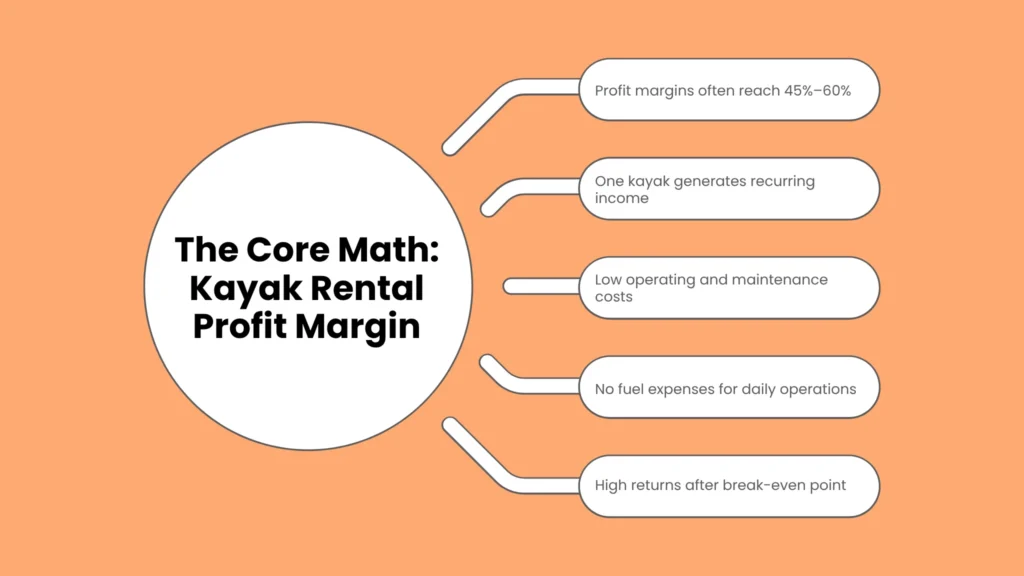
The secret to this high profitability is the asset lifecycle. In standard retail, you constantly buy new inventory to make a single sale. In contrast, a durable, rotomolded plastic kayak costs a few hundred dollars to buy but can be rented out hundreds of times. Once a vessel has been rented enough times to cover its initial purchase price, every future booking generates almost pure profit.
Because you do not have to worry about fluctuating fuel prices or complex engine failures, your ongoing overhead remains incredibly low. This predictable cost structure makes the business highly resilient.
Estimating Your Startup Expenses: Kayak Rental Business Profitable Cost
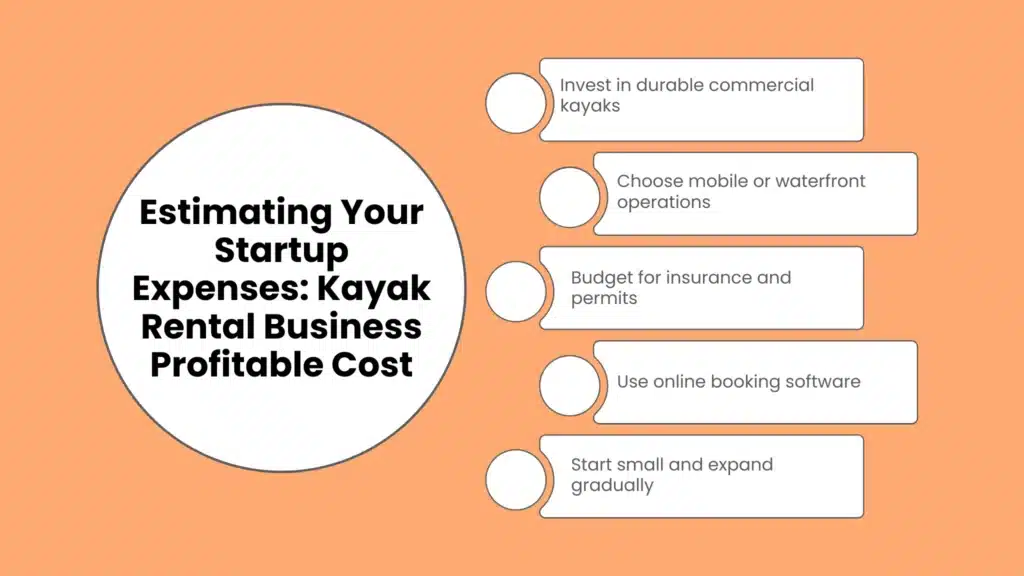
To give you an honest look at what you will spend, we must examine the kayak rental business profitable cost framework. You do not need to buy a massive fleet on day one. You can start small and scale your inventory using your organic profits.
1. Fleet Acquisition
Your watercraft are your primary assets. For a lean startup, we recommend beginning with ten single sit-on-top kayaks and four tandem (two-person) models. Sit-on-top versions are stable, virtually unsinkable, and perfect for beginners. Furthermore, you will need lightweight paddles and life jackets in various sizes to accommodate your guests.
2. Location and Storage
Your physical setup depends on your operating model. If you secure a beachfront or riverside kiosk, you will pay a monthly lease or permit fee. Alternatively, you can run a mobile delivery business. This model uses a heavy-duty trailer to transport kayaks directly to popular drop-off points, which eliminates expensive storefront rent. If you choose the mobile delivery route, pairing your fleet with the right setup matters, and this trailer rental business guide breaks down how to source and maintain the heavy-duty trailer your kayak delivery model depends on.
3. Software and Insurance
You need a reliable digital system to manage your booking calendar and process payments. Additionally, commercial liability insurance is a non-negotiable expense. This coverage protects your personal assets if a customer suffers an injury or misuses your equipment on the water.
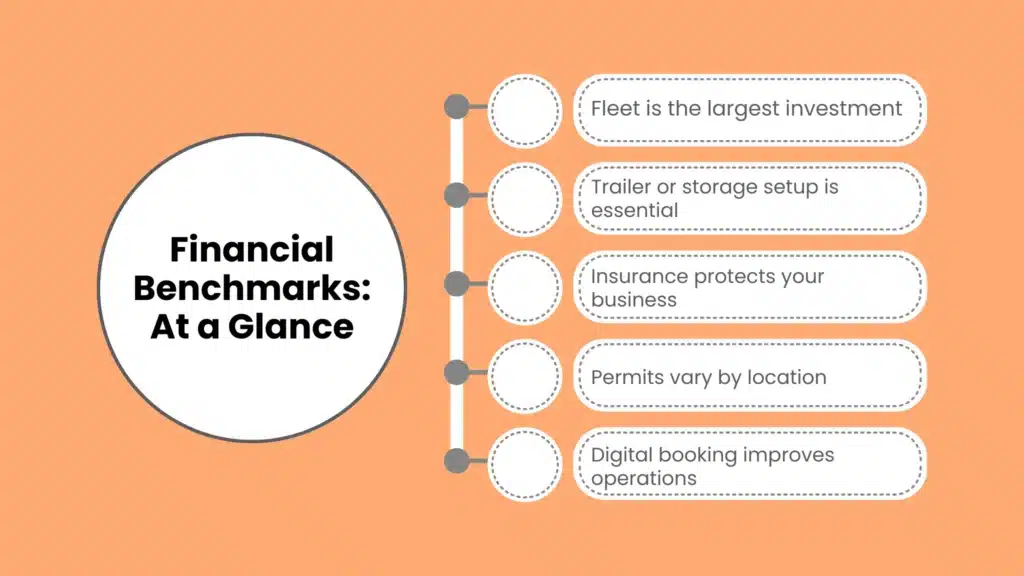
Financial Benchmarks: At a Glance
The table below outlines the estimated startup expenses and ongoing costs for a modest, fourteen-vessel rental operation based on available outdoor recreation industry data.
| Expense Category | Estimated Capital Needed | Type of Cost | Real-World Context |
| Fleet Inventory | $6,000 – $9,500 | One-Time | 14 durable kayaks, paddles, and life jackets |
| Trailer or Rack Setup | $1,500 – $3,500 | One-Time | Heavy-duty transport trailer or secure racks |
| Liability Insurance | $2,000 – $4,000 | Recurring (Annual) | Commercial water sports liability policy |
| Permits & Waterfront Lease | $1,000 – $5,000 | Recurring (Seasonal) | Local park permits or marina dock space |
| Booking Tech & Website | $600 – $1,200 | Recurring (Annual) | Live availability calendar and digital waivers |
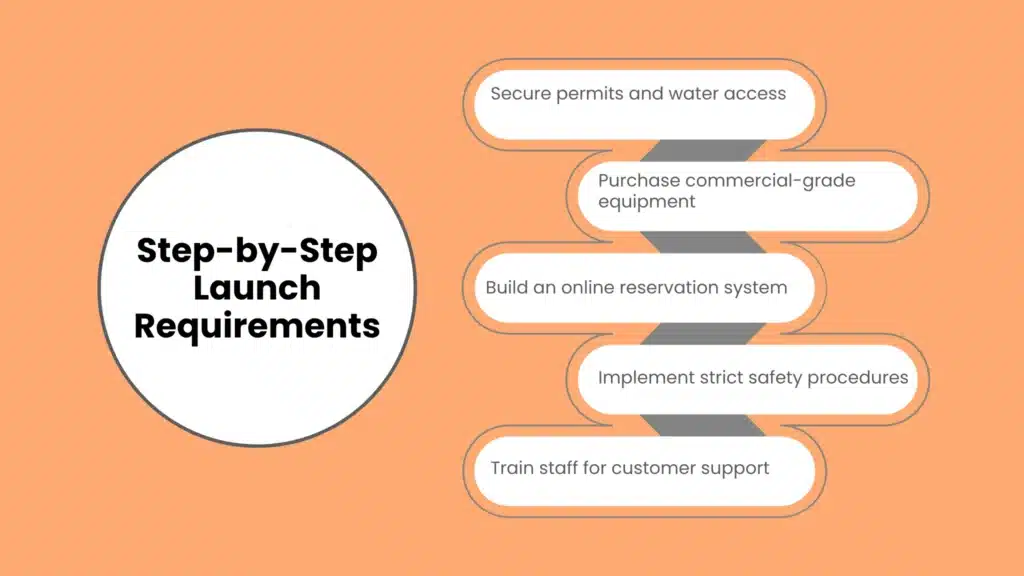
Step-by-Step Launch Requirements
Successfully launching an outdoor venture requires careful planning. To meet all legal and operational kayak rental business profitable requirements, you should follow this structured process in order.
Maximizing Your Returns: Is Kayak Rental Business Profitable Profitable?
If you want to ensure your venture is truly lucrative, you should look beyond basic hourly rentals. When evaluating how is kayak rental business profitable profitable, smart operators use specific strategies to drive up their total transaction sizes.
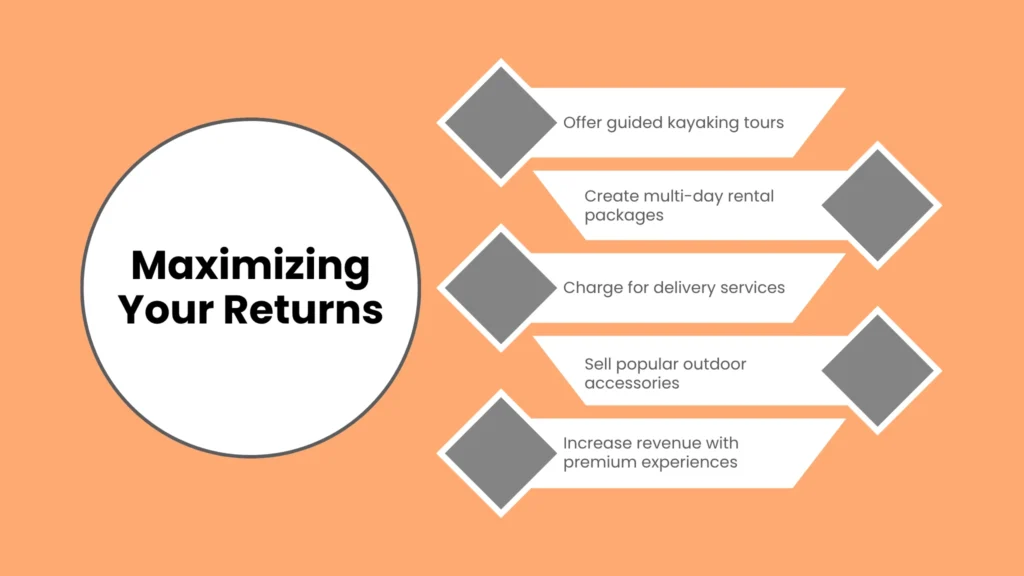
Offer Curated Guided Tours: Casual tourists are often intimidated by exploring unfamiliar waterways alone. By hiring a local guide to lead sunrise, sunset, or wildlife eco-tours, you can easily charge double or triple your standard hourly rental rates for the exact same equipment.
Create Multi-Day Rental Packages: Cater to waterfront homeowners, vacationers, and local campers by offering convenient 3-day or weekly rental options. You can deliver the kayaks directly to their docks or campsites for an extra delivery fee, which keeps your fleet utilized during slower weekdays.
Sell Add-On Convenience Gear: Do not miss out on easy retail margins. Stock your rental kiosk or delivery truck with high-demand accessory items like waterproof phone cases, polarized sunglasses, mineral sunscreen, and chilled sports drinks.
Conclusion
Entering the outdoor recreation market is a fantastic path to financial independence. Because kayaks are incredibly durable and require zero fuel, your operational costs remain low while customer demand stays high. By choosing a high-traffic location, prioritizing passenger safety, and utilizing automated digital booking tools, you can easily turn a modest upfront investment into a highly rewarding summer business.
For more hands-on business blueprints, marketing strategies, and launch checklists built for independent entrepreneurs, explore our latest deep-dive resources over at reliablestartup.com.
Frequently Asked Questions
What are the ongoing maintenance tasks for a kayak fleet?
Fortunately, plastic kayaks require very little daily maintenance. You simply need to rinse them with fresh water after every use to prevent algae buildup, inspect the drainage plugs, and check the seat straps and backrests for signs of wear. Store them upside down out of direct sunlight to prevent UV warping.
How do I handle slow business days during the winter off-season?
To maintain a strong kayak rental business profitable profit margin year-round, you should plan for seasonality. Many operators shift their focus during the colder winter months by offering guided hiking trips, renting out winter outdoor gear, or partnering with local corporate groups for indoor team-building events.
Do I need a physical storefront on the water to make money?
Not at all. Operating a mobile, delivery-based kayak business is an excellent way to eliminate fixed rent costs. You can manage your entire inventory out of a home garage or a secure storage lot, towing your fleet to designated launch points only when you have confirmed online bookings.
What happens if a customer damages or loses a paddle?
Your rental contract must explicitly state that customers are financially responsible for lost or broken equipment. You should secure a temporary credit card authorization hold before releasing any gear. This deposit gives you immediate financial recourse if a paddle sinks or an asset is neglected.