Best Water Softener Reviews: Top Picks for Cleaner Water
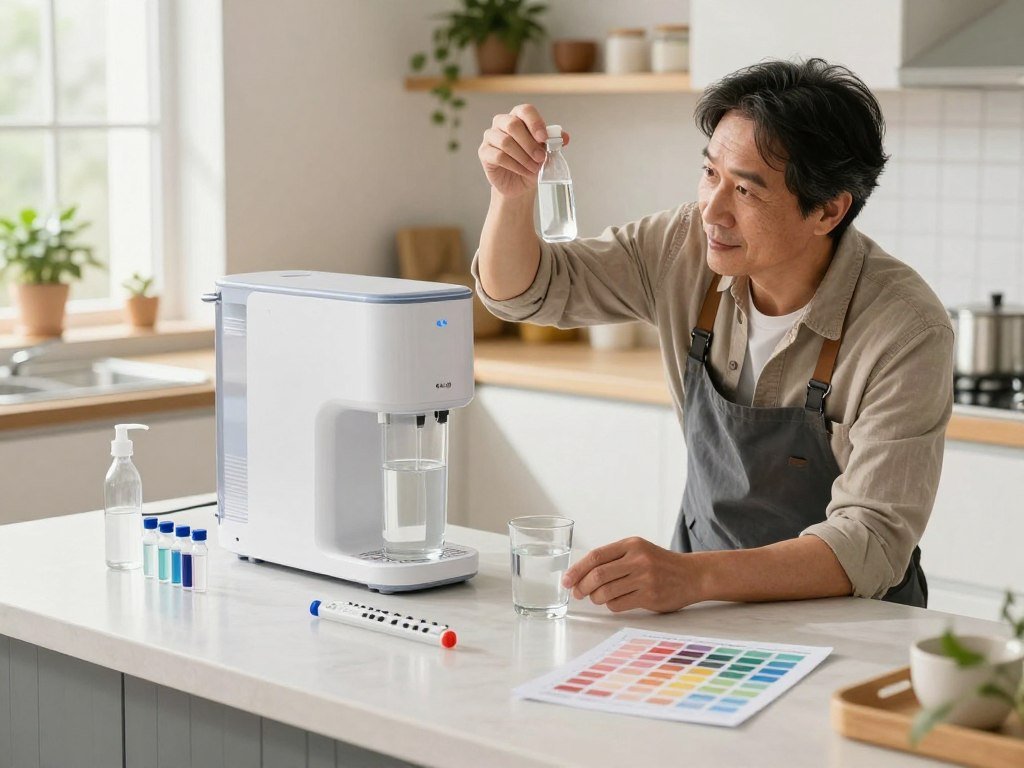
A useful starting point is to test your water and decide whether you need hardness removed or only want less scale on fixtures. Hard water can leave spots on glass, scale in pipes, and soap that lathers poorly. Your water quality, source, and household use shape the right choice.
Grain capacity means the amount of hardness a softener can remove before it needs to regenerate. That measure helps you compare salt-based systems, but it does not tell you how fast water can flow through a unit.
This practical comparison covers ion-exchange softeners, salt-free conditioners, and systems suited to well water. The right home setup treats the problem shown by your test, without adding equipment you do not need.
Key Takeaways
- Test your water before comparing treatment systems.
- Ion exchange removes calcium and magnesium hardness.
- Salt-free conditioning aims to reduce scale, not hardness.
- Choose well-water treatment from lab results, not guesswork.
- Household size and daily use affect capacity needs.
- Have a recent water test and the number of people in your household ready before comparing models.
Which Is the Best Water Softener for Your Home?
For most homes that want calcium and magnesium removed, the SpringWell SS is the strongest starting pick. It uses ion exchange, so it treats hardness rather than only reducing scale. SpringWell SS is the leading conventional softener among these picks.
The best water softener for a home still depends on water conditions, household demand, and the result you want. Consumer Reports’ hardness guidance can help you choose by water conditions, but it does not name a 2026 best model.

Best for most homes: SpringWell SS
SpringWell SS is the value-focused choice among the listed systems, though value depends on fit and installation. Its metered regeneration responds to water use, rather than relying only on a fixed timer.
That can help match the recharge cycle to actual household demand. Your test result and capacity needs still matter more than a broad brand ranking.
A lower listed price is not good value if the system misses your treatment goal or installation adds costs.
For a buyer asking what water softener offers the best value for the money, SpringWell SS is a strong starting point. Compare the full installed cost and treatment type before deciding.
Best when you want efficiency or smart monitoring
SoftPro Elite is the runner-up if you want a wide range of capacity options. DROP is the smart-monitoring alternative, with a connected system for tracking water use and alerts.
The Fleck 5600SXT is a budget-oriented salt-based option. Its appeal is a familiar ion-exchange design, though the best fit depends on household demand and the exact configuration.
A Fleck water softener can suit buyers who want a salt-based system without choosing the top overall pick. Compare its flow and capacity with your home’s needs.
Best for scale control without salt
SpringWell FutureSoft is the salt-free scale-control pick. It uses conditioning rather than hardness removal, so calcium and magnesium remain in the water.
Yarna is an electronic descaler, not a true water softener. It may fit a goal of scale control, but it will not produce softened water through ion exchange.
“Best” changes with the treatment goal: scale control and hardness removal are different jobs. Choose a hardness-removing softener if you need truly softened water, not just less scale.
How Do the Top Systems Compare?
The SpringWell SS stands out for true hardness removal, while salt-free models aim to limit scale without removing hardness minerals. Compare treatment type first, then capacity, flow, and listed price.
The table separates ion exchange from TAC conditioning. TAC, or template-assisted crystallization, aims to change scale formation without removing hardness.
| Product | Treatment type | Capacity or maximum hardness | Flow rate | Listed starting price |
|---|---|---|---|---|
| SpringWell SS | Ion exchange | 32K, 48K, or 80K grains | Up to 20 GPM | $1,530.00+ |
| SoftPro Elite | Ion exchange | 24K-110K grains | Up to 15 GPM | $1,129+ |
| SpringWell FutureSoft | Salt-free TAC conditioning | Maximum hardness 81 GPG | 11-20 GPM | $1,597.31+ |
| Kind E-2000 | Salt-free TAC conditioning | Maximum hardness 75 GPG | Up to 15 GPM | $1,074.23 |
SpringWell SS uses metered regeneration. In one test, it lowered hardness from 13.71 to 0.34 GPG, a 97.5% reduction.
That test result applies to that test, not every home’s water. The model has a lifetime warranty and a six-month money-back guarantee.
Fleck 5600SXT configurations range from 24K to 80K grains, with 7-15 GPM flow and a listed starting price of $1,189+. DROP costs $1,992.40+ and flows at 12 GPM.
For a best water softener system for a home in 2026, SpringWell SS is the strongest true-softening pick in this comparison. SpringWell WSSS is a whole-house filtration-and-softening combo.
The right system depends on whether your household needs hardness removed or scale controlled. Compare systems by the treatment they perform, not just the size of the tank.
Should You Choose Salt-Based or Salt-Free Treatment?
A salt-based softener removes hardness minerals, while a salt-free conditioner is intended to reduce scale without removing those minerals. Choose ion exchange when you want lower measured hardness.
The two treatments can change different things in your plumbing and daily water use. Your choice turns on the result you want, not the label on a tank.

Salt-based ion exchange removes hardness
Ion exchange moves calcium and magnesium ions out of the water and replaces them with sodium or potassium ions. The SpringWell SS uses sodium.
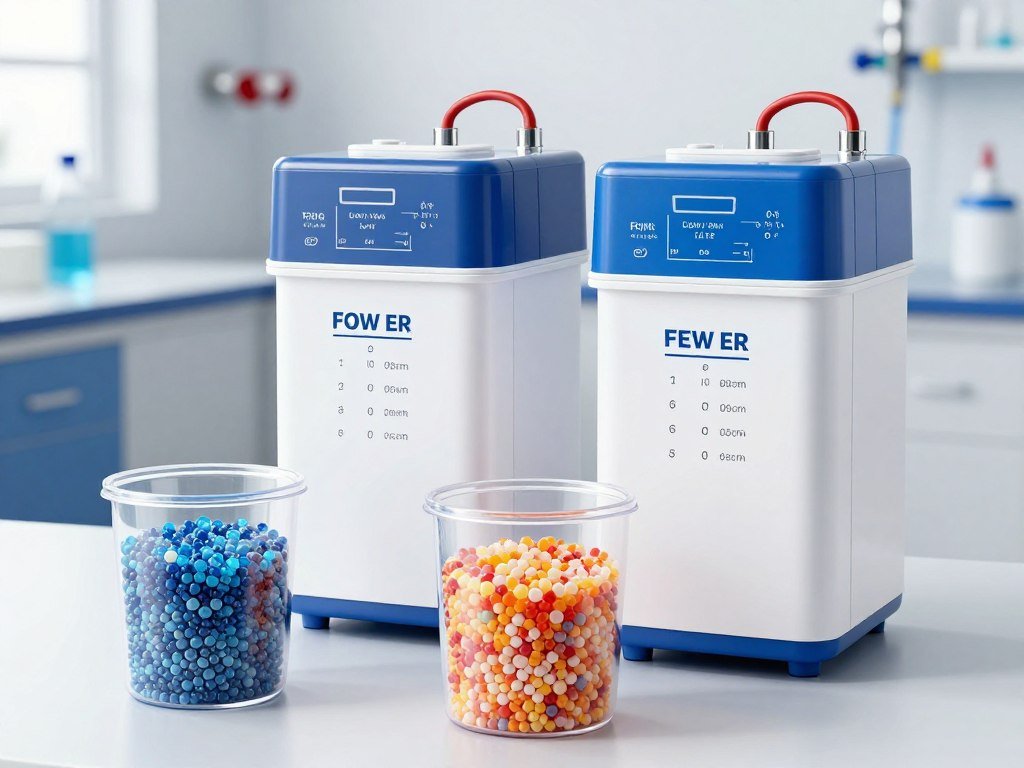
A typical salt-based unit has two main tanks. The resin tank holds the mineral-catching material, while the brine tank stores salt water for regeneration.
During regeneration, the system uses salt water to recharge the resin. The brine cycle lets the resin capture hardness minerals again during normal use.
Use these four factors to judge whether a softener suits your household:
- Do you want calcium and magnesium removed from the water?
- Are you comfortable handling and adding salt?
- Would scale control alone meet your needs?
- Do you want the feel and soap-lathering effects of softened water?
Salt-free conditioning targets scale
Salt-free conditioning can reduce scale without removing hardness minerals. TAC conditioning changes how scale forms, but hardness remains in the water.
That difference matters at a faucet and in a hardness test. A conditioner may help with scale control, but it does not provide the same soft-water result as ion exchange.
For example, soap may still react with minerals in conditioned water. The choice is practical: decide whether you want lower hardness readings or less scale buildup.
Do not treat salt-free conditioning as a softer version of ion exchange. It is a different process with a different goal.
If the goal is lower measured hardness, choose ion exchange rather than a conditioner.
Which System Works Best for Well Water?
On well water, get a lab report for hardness and iron before choosing a softener, because iron can shorten resin life. A larger tank does not solve an iron or sulfur problem by itself.
Well-water treatment should match measured hardness, iron, manganese, sulfur, and pH. One system may soften the water, while another treatment step handles other contaminants.

Well water with low iron
The SpringWell SS is listed to treat up to 3 PPM of iron in well water. SoftPro Elite’s well-water package treats clear-water iron up to 3 PPM and manganese up to 1 PPM.
The SoftPro Elite well-water product page lists $3,367.00. The SoftPro ECO well-water softener is listed at $2,977.00.
A Fleck 5600SXT 48,000-grain setup is listed for homes with 2-4 bathrooms at $1,995. It includes 1.5 cubic feet of 10% crosslink resin, handles up to 1 PPM clear-water iron, and flows at 10-12 GPM.
That Fleck setup can work when its iron limit and household demand fit. Its 1 PPM limit is lower than the listed 3 PPM limits for SpringWell SS and SoftPro Elite.
Well water with elevated iron, manganese, or sulfur
The SoftPro Pro IronMaster AIO package is listed to treat iron up to 30 PPM, sulfur up to 5 PPM, and manganese up to 7 PPM. That is a separate, higher-capacity treatment package than the SoftPro Elite or ECO softeners.
Iron, manganese, sulfur odor, and pH can call for pretreatment instead of relying on a softener. Some forms of iron can affect resin, while sulfur odor needs a treatment plan suited to that issue.
Get a lab test before choosing equipment. It can show whether your home needs a softener alone or a separate treatment stage.
Do not assume that more grains mean better well-water treatment. Capacity handles hardness demand, but it does not raise a system’s iron or sulfur limits.
Match the treatment equipment to the lab results, not to hardness alone.
What Size Water Softener Does Your Home Need?
Size a softener from daily water demand and hardness, then check that its flow rate can support the household’s peak use. Grain capacity is the amount of hardness a softener can remove before it needs to regenerate.
A common estimate multiplies household members by daily gallons per person and hardness in GPG. The example below uses 75 gallons per person each day.
Calculate the household’s daily hardness demand
A four-person home using 75 gallons per person per day at 12 GPG needs to remove 3,600 grains daily. That equals 25,200 grains each week.
A 32,000-grain unit covers about a week in that example. Actual use and regeneration settings affect how often it recharges.
| Household size | Hardness | Weekly removal estimate | Practical capacity example |
|---|---|---|---|
| 2 people | 10 GPG | 10,500 grains | 24,000 grains |
| 4 people | 12 GPG | 25,200 grains | 32,000 grains |
| 6 people | 15 GPG | 47,250 grains | 48,000 grains |
The weekly estimates use 75 gallons per person per day. For example, two people use 150 gallons daily, multiplied by 10 GPG and seven days.
Match capacity to demand and peak flow
Residential systems in this comparison range from 24K to 110K grains. A larger grain rating is not automatically a better fit for a small household.
Grain capacity is not the same as flow rate. Flow rate affects how well several fixtures can run at once, such as a shower and washing machine.
A private well also needs enough water to supply the unit’s backwash flow. Check that supply before buying a large tank, since a well may not deliver the needed flow.
Capacity and peak flow answer different questions: how much hardness the unit can remove, and how much water it can serve at once. Both matter in a busy home.
Use a water test and actual household demand to confirm the capacity before buying.
When Does a Filter-and-Softener Combo Make Sense?
A filter-and-softener combo makes sense when test results show both a hardness problem and a separate filtration need. A softener removes hardness minerals, while filters target other water concerns.
The SpringWell WSSS combines filtration with a salt-based softener. It starts at $3,302.35+ and comes in 32K, 48K, and 80K grain-capacity options.
The WSSS is listed to treat up to 7 PPM of iron. That listed limit does not mean it treats every contaminant that might appear in a water test.
Filtration and softening solve different problems. A filter can target certain contaminants, while ion exchange removes calcium and magnesium hardness.
A combined system can be useful when both needs are confirmed, but it may add treatment you do not need. A lab report helps show whether the extra filter stage fits your water.
Before choosing a combo, ask these four questions:
- Which contaminants are present in the water?
- Does the system address those specific contaminants?
- Does its capacity fit the household’s water use?
- Can the home meet its installation needs?
Do not read a general filtration claim as proof that the system addresses every contaminant. Treatment depends on the contaminant and the system’s rated capability.
A combo does not replace a lab test or a treatment plan for each contaminant. The best water system fits both the hardness result and any separate filtration need.
Verify every treatment claim against the contaminants in your own water report.
How Does Salt Use Affect Water and Health?
A salt-based softener adds sodium to the treated water and uses salt to regenerate its resin. Salt in the brine tank and sodium in drinking water are related, but they are not the same measure.
Metered systems regenerate in response to household water use, typically every few days. Salt water recharges the resin so it can keep capturing hardness minerals.
The brine tank holds salt for the regeneration cycle. The treated water has sodium added during ion exchange, and the amount varies with water conditions.
Drinking softened water was estimated to add 417 mg of sodium per day. That is an estimate, not a guaranteed amount for every home or every glass.
If someone in your household must limit sodium, ask a clinician about drinking-water choices. A separate drinking-water tap may be one option to discuss for your home.
Salt use can also raise a local rule issue. Some water authorities in California and Texas restrict or ban salt-based softeners.
Rules vary by water authority, and the restrictions can apply to installation or system use. Check the local rules for your address before choosing a salt-based unit.
Salt-free conditioning does not use salt to recharge resin because it does not use an ion-exchange softening process. It also does not remove hardness minerals.
Local restrictions can differ even between nearby communities. Check local water-authority rules before installing a salt-based system.
What Should a Whole-Home Installation Include?
Before ordering a whole-home unit, confirm that the main line, drain, and required outlet can reach the proposed location. A softener needs a safe drain route for regeneration water.
For a Fleck softener, the drain needs 1/2-inch tubing to a floor drain, laundry sink, sump, or standpipe within 20 feet. Check local plumbing rules before setting that route.
A standard outlet should be within 6 feet for systems that need power. A softener in a home already plumbed for one typically takes 2-3 hours to install.
That time can change with the work needed to connect the unit. A home without existing treatment plumbing may need more changes before the system can run.
Use this checklist to review the proposed location:
- Accessible main water line for the treatment system.
- Nearby drain that meets the system’s routing needs.
- Nearby electrical outlet for systems that need one.
- Sediment pre-filter for well water where required.
SpringWell recommends a separate sediment pre-filter for well water to help protect the resin. That filter recommendation does not replace treatment for iron or other water issues.
Drain routing and local plumbing requirements should be checked before installation. Keep the location accessible for salt filling and routine service.
The installer can confirm whether the planned connections suit the home’s plumbing. Have the installer confirm the drain route and plumbing connections before the system is set in place.
How Can You Tell a Softener Is Working?
A hardness test showing 0 GPG is the clearest routine sign that a functioning softener is removing hardness. A returning hardness result calls for basic checks before you assume a part has failed.
Hard-water signs may return when regeneration fails or the resin cannot capture calcium and magnesium. Low pressure can also point to a flow restriction.
Check the treated water’s hardness
Use a routine test on treated water and look for a 0 GPG result. If hardness remains, check power and salt first.
Then review the system’s alerts and recent regeneration. Do not open electrical or pressurized parts to inspect a possible fault.
| Symptom | First check | Possible cause |
|---|---|---|
| Returning hardness | Power and salt level | Missed regeneration, salt bridge, or iron on resin |
| Reduced pressure | Bypass valve and line | Restricted line, undersizing, iron, or sediment |
| Salt not being used | Salt surface and tank water | Salt bridge, mushing, or brine-draw issue |
| Unexpected regeneration | Schedule and recent water use | Incorrect setting or use beyond capacity |
Troubleshoot the salt, regeneration, and flow
A salt bridge is a hardened layer above the water, leaving a gap below it. Salt mushing forms a thick mass at the bottom of the brine tank.
Either condition can interfere with brine formation or draw. A float problem, low salt, incorrect schedule, or water use beyond capacity can also lead to missed regeneration.
Iron can coat resin beads and interfere with calcium and magnesium capture. A partly closed bypass valve or restricted line can reduce flow, but neither cause is certain from symptoms alone.
Standing water in the brine tank, alerts, or unusual sounds can signal a problem. Salt that remains unused is another reason to inspect the unit’s normal settings.
Stop and contact a qualified technician if a check requires opening electrical or pressurized components. If hardness remains after basic checks, have the system and water tested by a qualified technician.
How Long Does Softener Resin Last?
Resin may last 30-40 years when a softener treats hardness alone and iron is removed before it reaches the resin. That range is possible under those conditions, not a guaranteed service life.
Iron can foul resin and reduce its ability to capture hardness minerals. Water conditions matter, so resin exposed to iron may not last as long.
Resin life also differs from the life of the control valve, tank, and other parts. A long-lasting resin bed does not mean every part of the softener lasts for decades.
Check the product’s maintenance instructions and use water tests to track performance. If treated water starts showing hardness, investigate the water and system before replacing resin.
Warranty terms apply to the parts and conditions stated by the maker. They do not turn a possible resin lifespan into a promise for the full system.
Iron exposure deserves attention before you blame the resin. Water tests can help show whether iron or another change is affecting performance.
Keep a record of test results and service work. That history can help a technician separate resin trouble from a control or plumbing issue.
Resin life depends on the water it treats, especially iron exposure. Treat resin life as conditional, and investigate iron exposure before assuming the resin itself has failed.
Can You Deduct a Water Softener on Your Taxes?
A permanently installed water softener is generally treated as a possible capital improvement, not automatically as a current-year tax deduction. Tax treatment depends on the property’s use and your circumstances.
A capital improvement may increase the home’s adjusted tax basis instead of creating a deduction for the year you install it. That treatment can depend on how the property is used.
Capital improvements and medical expenses
A softener may qualify as a medical capital expense only when you pay for it primarily for medical care. The eligible amount can be limited if the improvement raises your home’s value.
Itemized medical expenses also face the applicable adjusted-gross-income threshold. The rules can depend on the specific expense and your tax return.
A tax professional can assess whether the installation fits the medical-expense rules. Keep records that show the reason for the improvement and its cost.
The senior deduction and SALT limit are separate tax rules
“Salt” in the SALT deduction means state and local taxes, not salt for a softener. The $40,000 state and local tax deduction cap is subject to a modified adjusted gross income limit.
The SALT cap is $20,000 for married taxpayers filing separately, and the deduction cannot fall below $10,000. That tax rule does not make softener salt deductible.
Taxpayers age 65 or older may claim an additional $6,000 deduction for tax years 2025-2028. A married couple may claim $12,000 when both spouses qualify.
The senior deduction phases out above modified adjusted gross income of $75,000 for individuals or $150,000 for joint filers. It is separate from the treatment of a home improvement.
A medical capital expense may be deductible only under specific rules. The medical expense rules for home improvements limit the eligible amount when an improvement increases home value.
The senior deduction applies to eligible people age 65 or older during 2025-2028. The $6,000 additional deduction has income phaseouts and does not change the softener’s basis treatment.
Tax rules depend on filing status, income, medical circumstances, and the property’s use. Ask a tax professional to assess the installation, medical circumstances, filing status, and income for the applicable tax year.
How Hard Is Your Water, and Should You Soften It?
A hardness test gives a more useful starting point than a regional map or a guess based on scale. Water above about 10 GPG merits serious consideration for softening.
A lower reading calls for a household-specific decision. Persistent scale can matter even when the test falls below that level.
Read a hardness test in GPG or mg/L
Use these four steps to make sense of a result:
- Get a utility report or test your water.
- Record the hardness result and its units.
- Compare GPG or mg/L with the hardness bands.
- Consider visible scale and household symptoms.
Hardness bands are 0-3.5 GPG for soft, 3.5-7 GPG for moderately hard, 7-10.5 GPG for hard, and 10.5 GPG or more for very hard water.
USGS classifies water above 180 mg/L calcium carbonate as very hard. GPG and mg/L are different units, so do not compare their numbers as if they matched.
The Virginia Cooperative Extension hardness guide explains household hardness bands and how they relate to treatment.
Decide whether the symptoms justify treatment
Hardness itself is not a health risk, and the EPA has no public drinking-water standard for it. Treatment usually makes sense when hardness causes problems around the home.
Scale on faucets, fixtures, and appliances can help show whether the measured result affects daily use. The water test gives a number; household symptoms show how that number feels in practice.
Do not buy treatment from a map alone. Local conditions can differ from one home to the next.
Test results also help you avoid treating water that does not need it. A regional label cannot replace the number from your tap.
Base the decision on a measured hardness result and the scale problems you actually see at home.
Conclusion
The best fit is the system that matches your measured water problem, household use, and maintenance preferences. SpringWell SS is the leading choice here for true salt-based softening, while salt-free conditioners address scale without removing hardness.
Well-water systems need to match the lab report, especially when iron or other issues appear. Test your water, then compare the result with household demand and local rules.
That simple check can prevent buying a system that treats the wrong problem. Get a current water test before choosing a model or scheduling installation.
FAQ
Which water softener lasts the longest?
Resin can last 30-40 years when it treats hardness alone and iron is removed beforehand. That range applies to the resin under those conditions, not the whole system. The control valve, tank, and other parts have separate service lives. Water tests and proper care can help you spot declining performance before assuming the resin has failed.
What are two disadvantages of soft water?
Ion exchange adds sodium to softened water, and salt-based systems need salt for regeneration. Drinking softened water was estimated to add 417 mg of sodium per day, though the amount varies by water and household. Some local water authorities in California and Texas restrict or ban salt-based softeners, so local rules can affect your options.
How do I know if my water softener is working correctly?
A routine hardness test on treated water should read 0 GPG when the softener works properly. Returning hardness or reduced pressure calls for basic checks of power, salt, bypass position, and flow. A salt bridge, iron on resin, or restricted line can also affect performance. Contact a qualified technician if a check involves electrical or pressurized parts.
What is Consumer Reports’ best water softener system for home in 2026?
Consumer Reports does not name a 2026 winning model in the hardness guidance described here. Its guidance can help homeowners choose by water conditions and hardness results. SpringWell SS is the top pick here for true ion-exchange softening. That recommendation fits households seeking hardness removal, not homes that only want less scale on fixtures.
What is the number one rated water softener?
SpringWell SS is the top choice here for conventional salt-based softening. In one test, it reduced hardness from 13.71 to 0.34 GPG, a 97.5% reduction. That result belongs to that test and does not promise the same outcome in every home. Rankings depend on your water, household demand, and treatment goal.
Can I write off a water softener on my taxes?
A permanently installed unit may add to your home’s adjusted tax basis instead of creating a current-year deduction. A medical-expense deduction may apply only when the improvement is paid primarily for medical care and meets itemized-expense rules. Any eligible amount can be limited if the installation increases home value. Ask a tax professional about your own return.
What is the new $6000 tax break for seniors?
Eligible taxpayers age 65 or older may claim an additional $6,000 deduction for tax years 2025-2028. A married couple may claim $12,000 if both spouses qualify. The deduction phases out above modified adjusted gross income of $75,000 for individuals or $150,000 for joint filers. This tax break is separate from a water softener’s tax treatment.
Who qualifies for the $40,000 salt deduction?
The $40,000 cap applies to the state and local tax deduction, subject to a modified adjusted gross income limit. Married taxpayers filing separately have a $20,000 cap, and the deduction cannot fall below $10,000. “Salt” means state and local taxes, not salt used in a softener. Eligibility depends on your filing status and income.
About The Author