Best Tequila for Margaritas: Top Bottles to Buy Now
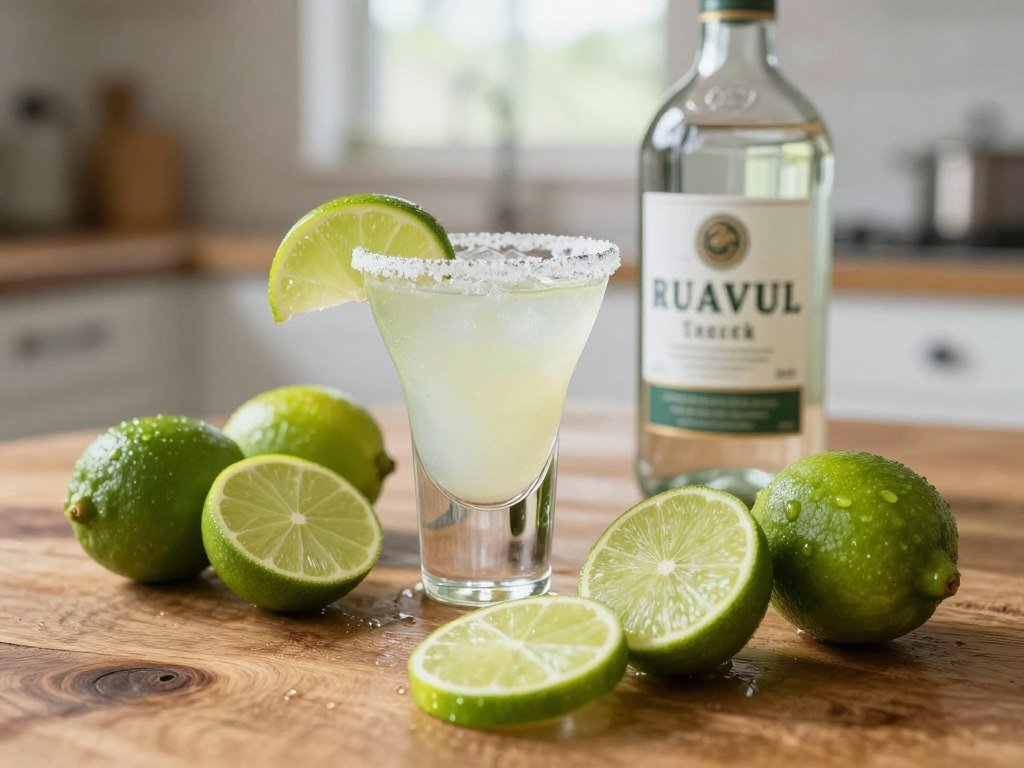
A margarita tastes more balanced when its tequila can still be noticed beside fresh lime and orange liqueur. At home, that balance matters: a mild spirit may disappear, while a strong agave taste can make the drink feel bold. The best tequila for margaritas depends on whether you want a bright, classic pour or a rounder variation. This roundup compares styles, flavor, and practical buying choices, so you can find a bottle that suits your glass and your budget. A high price does not guarantee a better drink. A thoughtful pick should match the way you plan to mix and serve it, whether you are making one cocktail or filling a pitcher for friends.
Key Takeaways
- Choose a spirit with enough agave character to stand beside lime.
- Blanco is the usual pick for a bright, classic drink.
- Reposado brings oak and warmth to a rounder variation.
- Compare bottle size as well as shelf price.
- Taste before salting the rim to judge the spirit clearly.
Start with the style you want in the glass, then choose a bottle that fits the way you plan to serve it.
Which Bottle Is the Best Tequila for Margaritas?
For a classic citrus-forward drink, Cazadores Blanco is a strong first bottle to try. It earned 10/10 in a taste test and was judged suitable for margaritas. Its bright profile makes it a practical everyday starting point when lime should lead, but the tequila should still show through.
Choose by use if another style sounds better: Lalo is an unaged blanco bottled soon after distillation, while Arette Clásica suits pitcher-sized batches. Fortaleza Blanco offers more pronounced cooked-agave character. Kirkland Reposado is a rounder aged choice, not the classic citrus-first default.
| Bottle | Best use | Supported flavor or style | Buying note |
|---|---|---|---|
| Cazadores Blanco | Classic margarita | Tested at 10/10; suited to margaritas | Strong everyday starting choice |
| Lalo Blanco | Unaged classic pour | Blanco bottled soon after distillation | Look for the blanco expression |
| Arette Clásica Blanco | Pitcher-sized batches | Budget-oriented blanco | Practical for larger batches |
| Fortaleza Blanco | Bolder agave drink | Pronounced cooked-agave character | Choose when agave should stand out |
| Kirkland Reposado | Rounder variation | Aged, rounder style | Less citrus-first than blanco |
A traditional margarita starts with a blanco when bright citrus is the goal.
The best tequila depends on the flavor you want, not the most expensive bottle on the shelf. You can also judge a bottle by whether its character remains clear in a simple mix, rather than by its label or reputation.
If you want one bottle for a traditional first batch, choose a blanco before exploring the oakier alternatives.
What Should You Check on a Tequila Label?
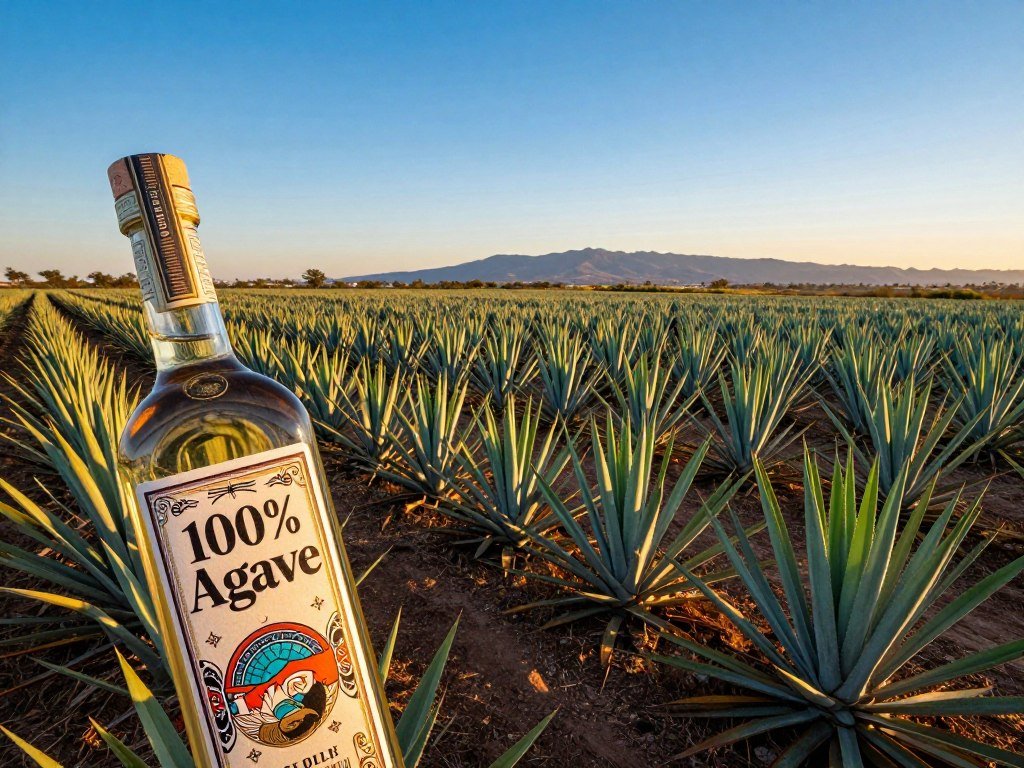
Start at the front label: “100% agave” is a helpful quality filter, but it cannot tell you whether the flavor will suit your palate. Mixto means tequila that is not labeled 100% agave and may use fermentable sugars from other sources. A 100% agave label is useful, not a promise that you will enjoy every sip.
Read the words carefully: “100 blue agave” points to blue Weber agave, the plant used to make tequila. It matures for around six or seven years before harvest. Producers cook the agave, mill it, ferment its sugars, and usually distill the liquid twice.
The 100% agave wording
Check the label for “100% agave,” then think of it as a starting filter. Some additives, up to 1% of total liquid weight, may go undisclosed. The label cannot reveal every detail of a bottle’s flavor or guarantee that its profile will suit your cocktail.
Agave quality, cooking, fermentation, and distillation all shape the final flavor. A label can help you narrow a shelf, but a trusted word on glass does not make every bottle taste alike.
Where tequila comes from
Tequila can come from Jalisco and limited municipalities in Guanajuato, Michoacán, Nayarit, and Tamaulipas. Mexico’s law sets tequila at 35%-55% ABV, or 70-110 U.S. proof. The product is a Mexican designation of origin, a protected name tied to where it is made.
More than 40 countries recognize tequila as a designation-of-origin product. Mexico declared “tequila” its intellectual property in 1974, and the European Union has protected the designation since 1997. These rules define what may use the name, not which flavor you will prefer.
Treat the label as a first check, then let the tequila’s actual flavor decide whether it belongs in your glass.
Blanco, Reposado, or Añejo: Which Works Best?
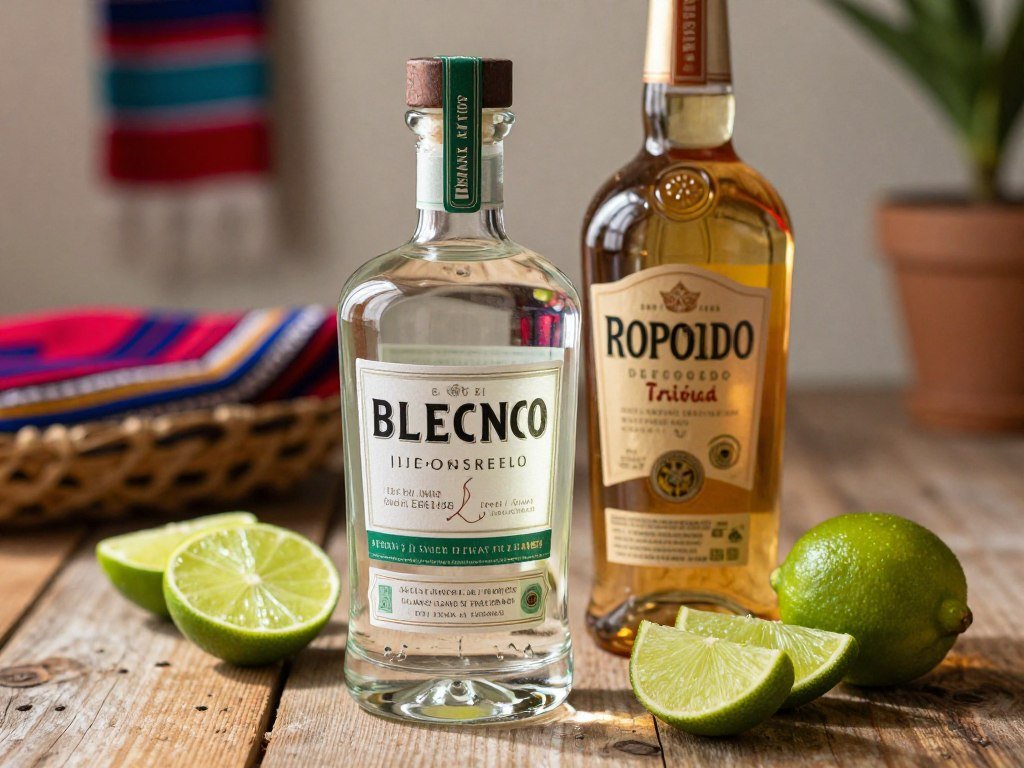
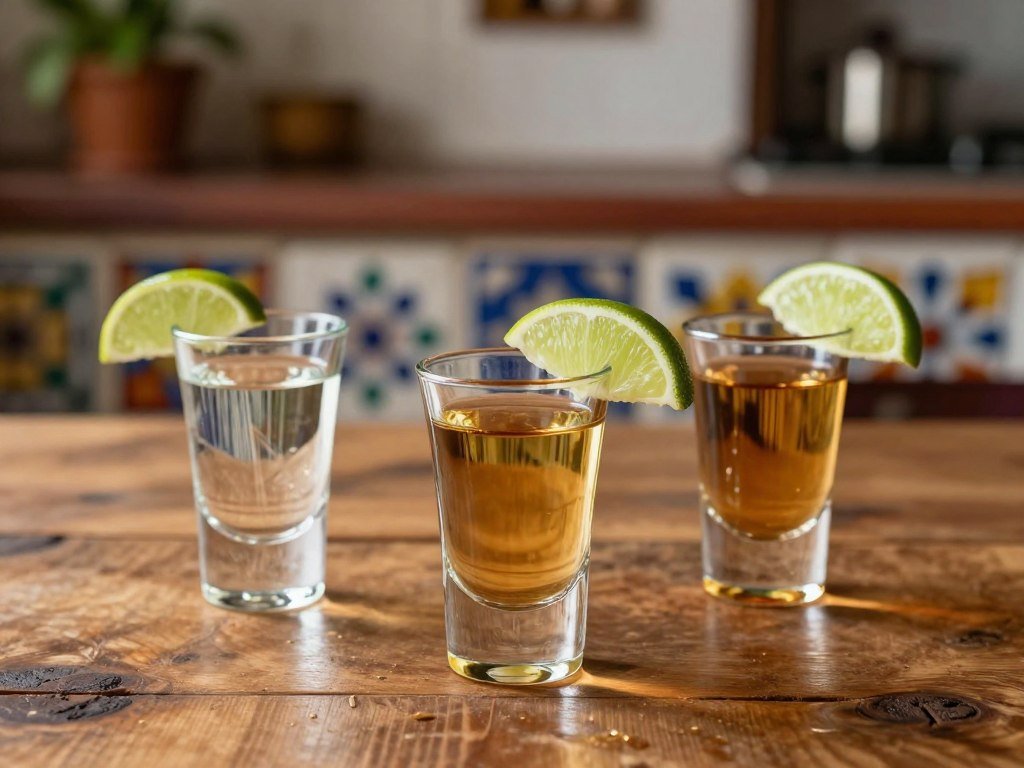
Blanco is the better fit for a classic margarita, while reposado is the better fit when you want oak and warmth in the glass. Blanco works best for the usual citrus-forward version. Reposado wins when warmer oak character matters more than a crisp lime edge.
Keep the recipe in mind: blanco tequila is generally unaged or rested briefly, so it often shows agave, pepper, herbs, and citrus. Reposado spends at least 60 days and no more than 364 days in barrels. Añejo has a deeper oak profile that can compete with lime.
Blanco keeps the citrus bright
Blanco is the easy choice when fresh lime should stay sharp and clear. Its lighter oak influence lets agave notes sit beside citrus instead of competing with it. For a familiar margarita, this is the style to reach for first.
That does not mean every blanco tastes the same. One may lean toward pepper or herbs, while another brings a softer agave note. The main advantage is a cleaner match for a lime-led drink.
Reposado adds oak and warmth
Reposado suits a rounder, less-sweet recipe. Barrel aging can soften the tequila’s edges and add warmth, while some citrus brightness fades. If a classic margarita tastes too sharp, this style can give it a fuller feel.
The oak should support the drink, not take it over. Try reposado when you want a less crisp cocktail with a warm note behind the lime.
Añejo suits a specialty twist
Añejo is best for a deliberate barrel-forward variation, not the easiest match for lime. Longer oak influence can bring a deeper character that covers the fresh citrus. It may work when you want the spirit to define a specialty drink.
For most people, the choice is simple: blanco for the standard bright margarita, reposado for a warmer one. If you are unsure which style you prefer, compare a blanco and a reposado before salting either rim.
Which Bottles Fit Classic, Budget, and Bold Margaritas?
For a simple classic margarita, choose a blanco whose agave character can stay present beside lime. Lalo Blanco, Arette Clásica Blanco, and Fortaleza Blanco each fit a different use. These are style-based picks, not a claim that one bottle suits every palate.
Match the bottle to the pour: Lalo fits a single classic drink, Arette makes sense for a pitcher, and Fortaleza suits a bolder agave-led variation. Each choice brings a different kind of value to the mixing glass.
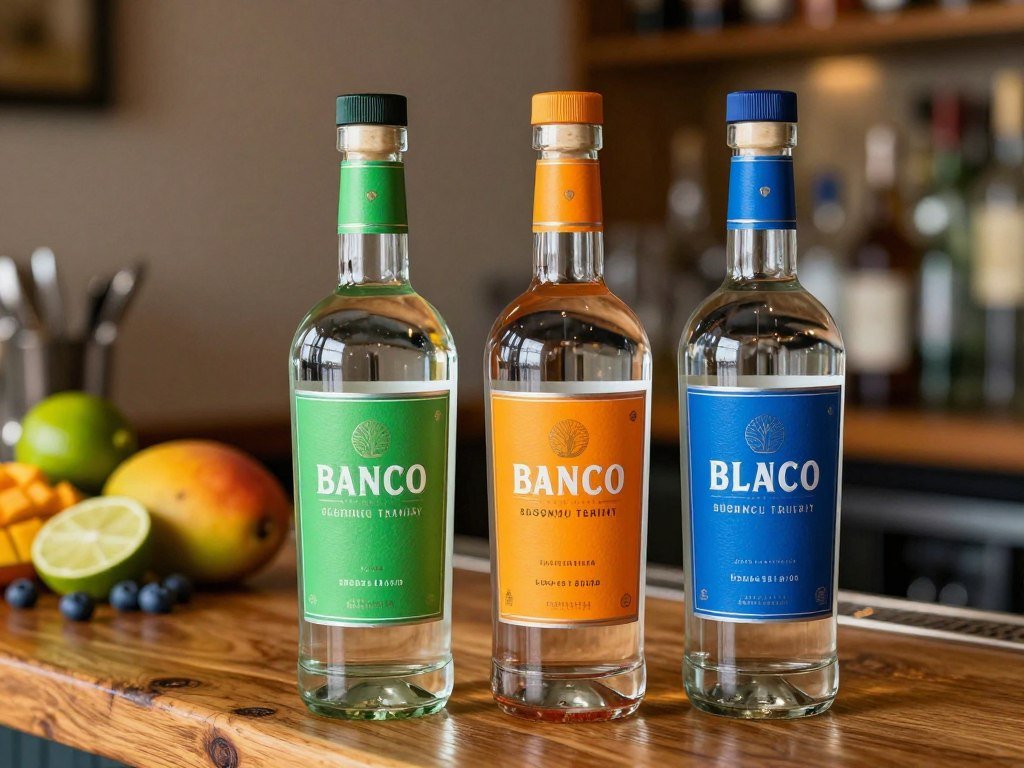
Lalo Blanco for a classic pour
Lalo Blanco is an unaged blanco bottled soon after distillation. It has no added coloring or flavoring, so its style stays focused on the tequila itself. That direct profile makes it a good fit when you want agave to show beside lime without oak changing the drink.
A classic cocktail needs a spirit that can share the glass with citrus and orange liqueur. Lalo’s unaged profile gives you a straightforward place to start, especially for one drink or a small round. It is a style pick, not a promise that every drinker will prefer it.
Arette Clásica for a pitcher
Arette Clásica Blanco is a budget-oriented option for pitcher-sized margarita batches. A larger batch uses more tequila, so a practical bottle can make more sense than saving a special pour for a crowd. Its role here is simple: a useful blanco for making drinks in volume.
Keep the batch even by measuring each ingredient rather than pouring by eye. Arette’s value-minded position can help when several guests want the same classic drink. The choice is about how you plan to serve it, not a claim about universal taste.
Fortaleza Blanco for a bolder drink
Fortaleza Blanco has pronounced cooked-agave flavor and a reputation for traditional tahona-style production. A tahona is a large stone wheel used to crush cooked agave. That cooked character can remain clear in a margarita, making Fortaleza a fit for drinkers who want the tequila itself to stand out.
Its strong agave character may not suit someone who wants a mild, easygoing drink. The profile can make a simple margarita feel more spirit-forward, so pair it with a recipe that leaves room for the tequila.
- Choose Lalo for a direct, unaged classic pour.
- Choose Arette when you are making a pitcher.
- Choose Fortaleza when cooked-agave character should be easy to notice.
Keep the more pronounced agave option for a drink where you want the tequila itself to be easy to notice.
How Can You Choose a Budget Bottle?
El Jimador Silver is a practical budget starting point, with a $17 purchase price and an 8.5/10 taste-test score. It has enough character to stay noticeable after lime and orange liqueur go in. That makes it a strong budget choice for tequila margaritas.
Think beyond the shelf tag: Cimarron Blanco offers agave sweetness, peppery spice, and subtle herbal notes. A 750 ml bottle was listed at $27.99. Arette Clásica is another sensible choice when you need tequila for a pitcher.
Retailer, bottle size, and local availability affect price, so a past purchase price is not a guaranteed shelf price. Compare the amount in the bottle before deciding which option costs less per pour. A lower price can be useful, but flavor still has to work in the drink.
- El Jimador Silver: a lively mixer with an 8.5/10 test score.
- Cimarron Blanco: a distinct option with agave, pepper, and herbal notes.
- Arette Clásica Blanco: a practical pick for pitcher-sized batches.
A budget tequila for margaritas should have enough flavor to remain recognizable after citrus and liqueur soften the mix. A spirit that disappears can leave the drink tasting mostly sweet and sour, no matter how low its price looked.
Compare the bottle size as well as the shelf price before deciding which value works for a party.
What Do Affordable Blancos Taste Like Side by Side?
Cazadores Blanco was the highest-scoring margarita-suitable blanco in this group, earning 10/10. The test tasted 16 tequilas bought for under $20, with one exception. Each tequila was tasted straight at room temperature, without salt, lime, or margarita mix.
That matters for your glass: these notes describe the spirit, not a finished cocktail. The results can help you predict whether a blanco will hold its own once citrus and other ingredients enter the mix.
The Sporked under-$20 taste test found Cazadores punchy and suitable for margaritas. El Jimador Silver was another assertive mixer, while Lunazul Blanco was milder. Solo Agave earned a good score but was judged better for other uses.
| Bottle | Test purchase price | Score | Tasting note |
|---|---|---|---|
| Cazadores Blanco | $16.49 | 10/10 | Tropical fruit, lime zest, mellow bitterness |
| El Jimador Silver | $17 | 8.5/10 | Fruity, grassy, zesty, assertive |
| Lunazul Blanco | $19 | 7.5/10 | Mild and smooth, with vegetal agave |
| Solo Agave Blanco | $18.50 | 8/10 | Fruity; better for sipping, shots, or tropical cocktails |
| Los Cabos Silver | Not listed | Not listed | Not 100% blue agave; too mild for margaritas |
Cazadores Blanco for a punchy citrus note
Cazadores had tropical fruit, lime zest, and mellow bitterness. Those notes give it a lively shape that can stay present when a margarita’s citrus and sweetness arrive. It was the strongest tested fit for a classic mixed drink.
El Jimador Silver for a lively mix
El Jimador tasted fruity, grassy, and zesty. Its assertive profile stood up to margarita ingredients, making it a useful choice when you want a lively mix without relying on a pricey bottle.
Lunazul Blanco for a milder sip
Lunazul was mild and smooth, with vegetal agave. That softer character may suit a drinker who prefers an easy sip, though it is less forceful than the two strongest mixer choices in this group.
Solo Agave and Los Cabos for different uses
Solo Agave scored 8/10, yet its fruity style was judged more suited to sipping, shots, or tropical cocktails than margaritas. Los Cabos Silver was not 100% blue agave and was considered too mild to stand up to margarita flavors.
A high tasting score matters less than whether the tequila remains recognizable after lime and orange liqueur go in.
Which Blancos Offer a Different Flavor Profile?
A broader blanco shortlist helps you choose by flavor character instead of bottle recognition alone. These ten tequilas are flavor directions, not a universal ranking. Your preferred profile may lean soft and floral or herbal and peppery.
Compare in small sips: Hornitos Plata was soft, with pepper, lime, and a touch of vanilla. Teremana Blanco showed floral, spice, citrus, vegetal agave, and warm vanilla notes. Patrón Silver brought mint, citrus, spice, and a clean finish.
Softer, sweeter, and more floral options
Hornitos Plata offers a softer profile with pepper, lime, and a little vanilla. Teremana Blanco moves between floral notes, spice, citrus, vegetal agave, and warm vanilla. Patrón Silver has mint, citrus, spice, and a clean finish.
Lalo Blanco and Herradura Blanco complete this first group of five. Their place on the list gives you more labels to compare, while the three described profiles show how varied blanco tequila can taste. Do not treat this order as a score or a claim that one brand always wins.
- Hornitos Plata: pepper, lime, and a touch of vanilla.
- Teremana Blanco: floral, spice, citrus, vegetal agave, and warm vanilla notes.
- Patrón Silver: mint, citrus, spice, and a clean finish.
- Lalo Blanco: an unaged blanco bottled soon after distillation.
- Herradura Blanco: a blanco option for a broader taste comparison.
Herbal, peppery, and more assertive options
Don Fulano Blanco, El Tesoro Blanco, Espolòn Blanco, Mijenta Blanco, and Tequila Ocho Plata form the second group. They expand the shortlist beyond familiar bottles and give you more ways to explore a tequila blanco’s profile.
Blancos can show herbal, tropical, earthy, peppery, vegetal, creamy, or neutral notes. These terms help describe a sip, but they are not a rule for how the spirit must taste. Your own taste matters more than a label’s promise.
Try a small pour of each before mixing, so the delicate notes do not get lost in citrus. For a first taste comparison, try one softer option beside one with a more pronounced herbal or peppery edge.
When Does Aged Tequila Work in a Margarita?
Reposado is the easier aged-tequila match when you want a warmer margarita without making oak the main event. It suits a rounder, less-sweet drink. Añejo is best saved for an intentional specialty variation, since its deeper oak can compete with lime.
Use oak with purpose: reposado barrels can soften tequila’s edges while muting some citrus brightness. That trade can suit a drink with a warm, less-sweet finish, but it changes the crisp feel of a standard margarita.
| Bottle or style | Aging or proof detail | Likely margarita effect |
|---|---|---|
| Cazadores Reposado | Purchased for $19; scored 8/10 | Round, toasty profile |
| Don Julio Reposado | Eight months in American white oak; 40% ABV | Oak warmth with less citrus brightness |
| Don Julio Añejo | 18 months in American white oak; 40% ABV | Deeper oak may compete with lime |
Cazadores Reposado scored 8/10 and had a round, toasty profile. Kirkland Reposado comes in a 1-liter bottle, scored 9/10, and showed oak, a little bite, and a little bitterness. Those examples show how barrel notes can shape a mixed drink.
Reposado for a rounder, less-sweet drink
Choose reposado when you want a margarita with less sharpness and more warmth. Don Julio Reposado is aged eight months in American white oak barrels and bottled at 40% ABV, or 80 proof. Oak can mellow the spirit’s edges without making the drink taste like a straight pour.
Don Julio Blanco is also bottled at 40% ABV, or 80 proof. The label gives you a clear strength check, while the reposado’s time in oak changes its flavor and feel in the cocktail.
Añejo for a deliberate barrel-aged twist
Don Julio Añejo spends 18 months in American white oak barrels and is bottled at 40% ABV. Don Julio 70 Añejo Claro is also aged 18 months, then charcoal filtered and bottled at 35% ABV.
Añejo can make a margarita taste much more like a barrel-aged spirit drink. That can be a welcome change when it is intentional, but it is not the easiest match for a fresh, lime-led classic.
Keep añejo for a deliberate barrel-aged twist, since its oak can compete with the lime.
How Do You Build and Serve a Classic Margarita?
A measured test drink gives you a fair way to judge whether the tequila still comes through after shaking. For one drink, use 1 1/2 ounces tequila, 3/4 ounce fresh lime juice, 1/2 ounce orange liqueur, and 1/4 ounce agave syrup. Fresh lime juice gives the cocktail a clean citrus base.
Keep the first test plain: serve the drink on the rocks, then taste before salting the rim. Salt can change how the tequila’s aroma and flavor register, so it helps to compare the unaltered drink first.
- Measure the tequila, fresh lime juice, orange liqueur, and agave syrup into a shaker.
- Fill the shaker with ice and shake until the drink is cold.
- Strain over fresh ice in a glass.
- Taste before salting the rim, so the tequila’s aroma stays clear.
- Add a small amount of syrup if the drink needs more sweetness.
This formula works as a side-by-side test, not a rule that every margarita must follow. Fresh juice brings a sharper, cleaner citrus taste than bottled juice, which helps you judge how the tequila handles lime.
Make two small drinks with different bottles and keep the ingredients measured the same way. Tasting them before salting the rims makes the agave aroma and flavor easier to compare.
Taste the first sip before adding more syrup, because a small sweetness adjustment can change the whole balance.
Is Cointreau or Triple Sec Better for Margaritas?
Cointreau is the more predictable choice for a clean orange note, while triple sec names a varied category rather than one bottle. Choose Cointreau when you want a consistent orange profile. Choose a triple sec by checking its sweetness, proof, and base spirit.
Orange liqueur changes the mix: Cointreau is clear and made with neutral alcohol and sweet and bitter orange peels. Its recipe dates to 1885. Grand Marnier Cordon Rouge combines Cognac with bitter orange liqueur, and Cognac makes up 51% of the blend.
Cointreau for a clear orange profile
Cointreau L’Unique is 40% ABV, or 80 proof. Its orange flavor gives you a steady result from one drink to the next. That can help when you want the tequila and lime to remain easy to judge.
Grand Marnier Cordon Rouge is also 40% ABV, but its Cognac base changes the cocktail more noticeably. Choose it when you want a deeper, brandy-like character beside bitter orange, rather than a simple orange lift.
Triple sec for a flexible category choice
Triple sec products vary in base spirit, sweetness, proof, and flavor. That range lets you choose a bottle that fits your taste, but the category name alone does not tell you how sweet or strong the liqueur will be.
InsideHook’s bartender comparison of Cointreau and triple sec explains why those products can differ in orange flavor and sweetness. Check the label and taste the liqueur in the finished mix before changing the drink’s sweetener.
Taste the liqueur in the finished mix before adding extra sweetener.
How Can You Tune the Drink to Your Taste?
Change one ingredient at a time so you can tell whether the drink needed more tartness, sweetness, or aroma. Small, measured changes help you keep the tequila’s character in view. A classic margarita combines tequila, lime juice, and orange liqueur.
Start with a light touch: 1/4 ounce of agave syrup is a test starting point, not a required addition to every recipe. Your orange liqueur may already bring enough sweetness for your taste.
Adjust tartness and sweetness
Add lime when you want more tartness. Add a measured little syrup when the drink tastes too sharp or dry. Make one change, taste again, and keep the tequila amount steady.
- Add a little lime for a more tart drink.
- Add a measured amount of syrup for more sweetness.
- Use a salt rim only when you want its added taste.
- Try fresh fruit for a fruit-forward variation.
- Choose herbs or a spicy garnish to suit the meal.
Choose a garnish and serving style
A lime wedge gives a familiar scent and a simple finish. Fresh fruit makes the drink taste more fruit-forward, while herbs can add a fresh aroma. A spicy garnish can suit a meal with bold flavors.
Salt every rim only if you want salt in every sip. Leaving one glass plain can help you compare how the garnish and rim change the drink’s flavor.
Keep the tequila pour constant while testing variations, so the other changes remain easy to judge.
Can a Tequila Choice Prevent a Margarita Hangover?
No blanco, reposado, premium label, or mixer can guarantee a hangover-free night. Drinking less or not drinking is the dependable way to reduce alcohol-related risk. A tequila’s age, price, or 100% agave label does not promise protection.
Individual responses differ: how much alcohol you drink and how your body responds affect what happens afterward. Drinking water or eating food may support your well-being, but neither guarantees that you will avoid a hangover.
Be cautious of claims that a certain tequila has special hangover-prevention benefits. Flavor, quality, and price describe different things; none of them cancels alcohol’s effects. A smoother-tasting cocktail can also make it easier to lose track of how much you have had.
If you feel unwell after drinking, seek appropriate medical help. Severe symptoms need prompt care, not a home remedy or another drink. Do not wait for a preferred bottle or recipe to make alcohol harmless.
Choose your limit before the first drink, and do not drive after drinking.
What Should You Check Before Buying a Bottle?
Before adding a bottle to your cart, check its agave wording, style, size, and strength. Match the bottle to the recipe you actually plan to make. A label or price can help with a choice, but neither tells you whether you will enjoy the flavor.
Use this quick check in a store or online. Tequila may be produced in Jalisco and limited municipalities in four other Mexican states. Mexican law sets tequila at 35%-55% ABV, or 70-110 U.S. proof.
Attractive packaging can raise a bottle’s price without telling you whether its flavor works in a margarita.
- Look for the “100% agave” wording on the label.
- Choose blanco or reposado to fit the drink you plan to make.
- Check bottle size and ABV before comparing labels.
- Compare the price with the amount you expect to use.
- Pick a flavor profile that suits the planned margarita.
Bottle size matters when you are planning drinks for several people. A larger bottle may cost more at checkout but could offer more servings. Check both the amount and the price before placing a bottle in your cart.
For a first purchase, pick a bottle that fits the recipe you actually plan to make rather than paying extra for presentation.
Conclusion
A clear, agave-forward blanco is the easiest place to begin for a classic margarita. Reposado suits a warmer, less-sweet variation when you want oak in the glass. Neither style needs to cost the most to make a drink you enjoy.
Try the bottle you are considering beside one you already have at home. Keep the mix the same, then notice which tequila stays clear through the lime and orange. Make two small drinks side by side, taste them before salting the rims, and buy the bottle you genuinely prefer.
FAQ
Is Cointreau or triple sec better for margaritas?
Cointreau is the steadier choice for a consistent orange profile, while triple sec varies by product. Triple sec bottles differ in sweetness, base spirit, proof, and flavor, so the category name alone does not predict the drink. Cointreau is itself a type of triple sec. Taste a small amount in your mix before adjusting its sweetness.
Is Patron or Don Julio better for margaritas?
Blanco expressions from Patrón or Don Julio can both work in margaritas. Choose the one whose flavor you enjoy more, since one brand is not a sure winner for every palate. Don Julio Blanco is bottled at 40% ABV, or 80 proof. Check the exact expression’s label, since brands can offer several styles.
What are the top 5 tequilas for margaritas?
Five strong style-based picks are Cazadores Blanco, El Jimador Silver, Lalo Blanco, Arette Clásica Blanco, and Fortaleza Blanco. Cazadores is a tested classic mixer, while El Jimador offers value. Lalo suits an unaged classic, Arette works for pitchers, and Fortaleza brings pronounced cooked-agave character. Choose according to the drink and serving size you have in mind.
What’s stronger, Don Julio or Patron?
Don Julio Blanco, Reposado, and Añejo are each 40% ABV, or 80 proof. Patrón strength can depend on the exact expression, so a brand-wide comparison can mislead. Check the ABV on both bottles and compare the same style. A higher proof means more alcohol by volume, not necessarily a stronger flavor.
What is the smoothest drinking tequila?
Smoothness is subjective, so there is no single bottle that tastes smoothest to everyone. Lunazul Blanco was described as mild and smooth, while Kirkland Reposado was described as smooth with oak and a little bite. Those profiles differ: one has a milder agave character, and the other adds barrel notes. Taste them in the way you plan to drink them.
What’s more expensive, Don Julio or Patron?
Compare the same expression and bottle size at the same retailer to see which costs more. Prices vary by expression and seller, so no brand-wide comparison is reliable. A blanco should be compared with another blanco, not with an aged bottle. Check the volume too, since a larger bottle can have a higher shelf price.
Which tequila to avoid?
Avoid a tequila that is too mild to remain recognizable after lime and orange liqueur. Los Cabos Silver was judged too mild for that use and was not 100% blue agave. That does not mean every mild spirit is a poor choice for every drink. For a margarita, look for enough flavor to hold its place beside citrus.
About The Author