Small Eatery Business: Unlocking Success in the Food Industry
The food industry continues to evolve rapidly, with small eatery businesses emerging as one of the most lucrative and promising opportunities in 2026. With the rise of consumer preferences for unique, locally sourced, and customized dining experiences, starting a small eatery has become a trendy and profitable venture. In this article, we will explore how to start a small eatery business in 2026, focusing on key strategies, industry trends, and how to establish a solid foundation for success.
Starting a small eatery in today’s competitive market requires more than just a passion for food. It demands a keen understanding of market trends, customer preferences, and efficient management strategies. Whether you’re planning to open a food truck, a café, or a niche restaurant, there are essential steps you must follow to ensure your success.
Understanding the Market for Small Eateries in 2026
Key Market Trends
In 2026, the small eatery business has been revolutionized by changing consumer behaviors. People are increasingly drawn to unique, niche dining experiences that go beyond traditional meals. As the food industry continues to shift, consider these trends that are shaping the future of small eateries:
-
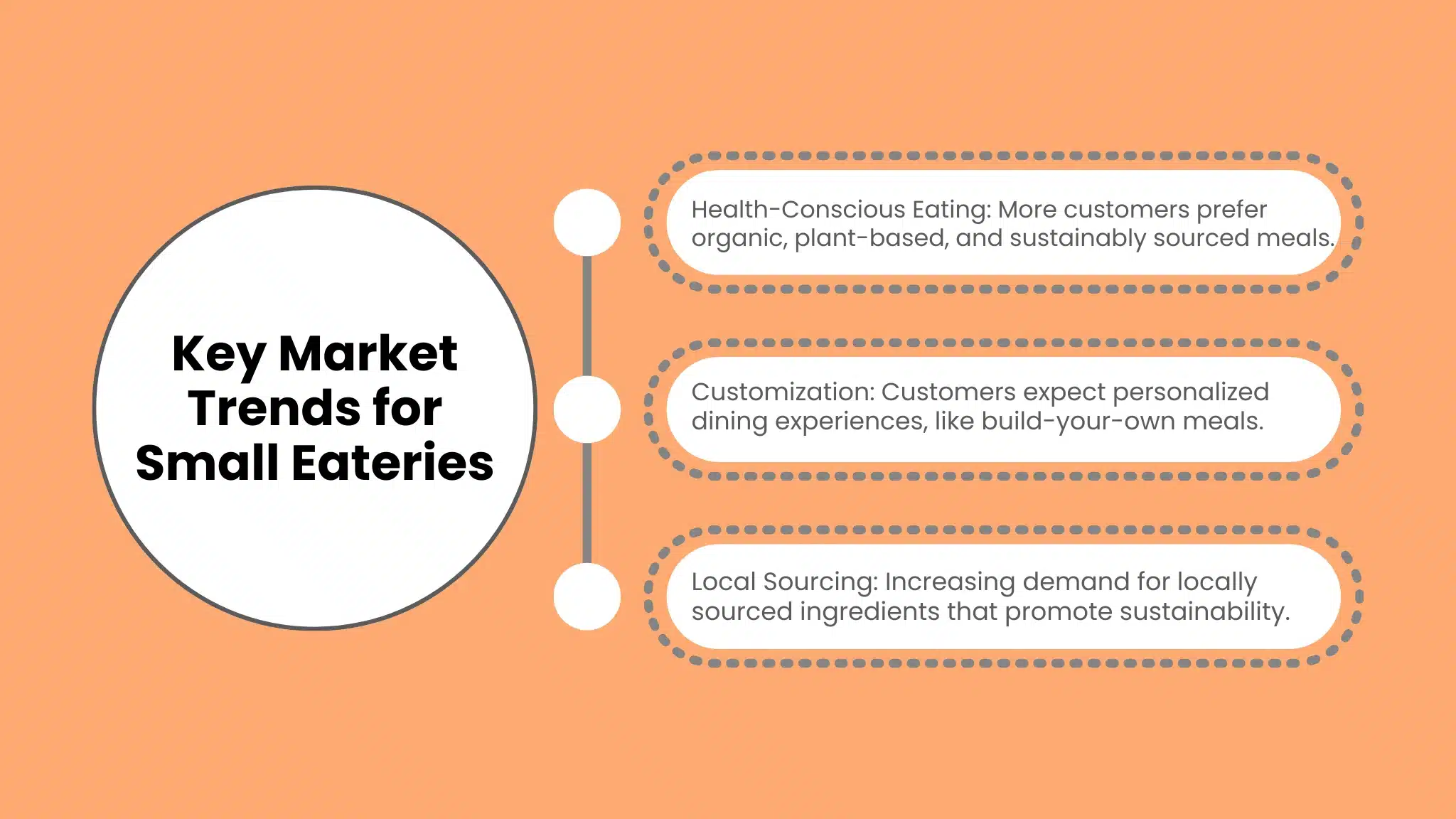
Health-conscious eating: Consumers are becoming more health-conscious, preferring organic, plant-based, and sustainably sourced food.
-
Customization: From build-your-own bowls to personalized dining experiences, customers expect a higher degree of customization in their meals.
-
Local sourcing: There is a growing demand for locally sourced ingredients that support sustainability and promote community businesses.
Transitioning to a Digital World
In today’s digital age, small eateries must integrate technology to stay competitive. Whether it’s through social media marketing, food delivery services, or advanced ordering systems, digital presence is a critical factor in 2026.
Steps to Start Your Small Eatery Business in 2026
1. Create a Solid Business Plan
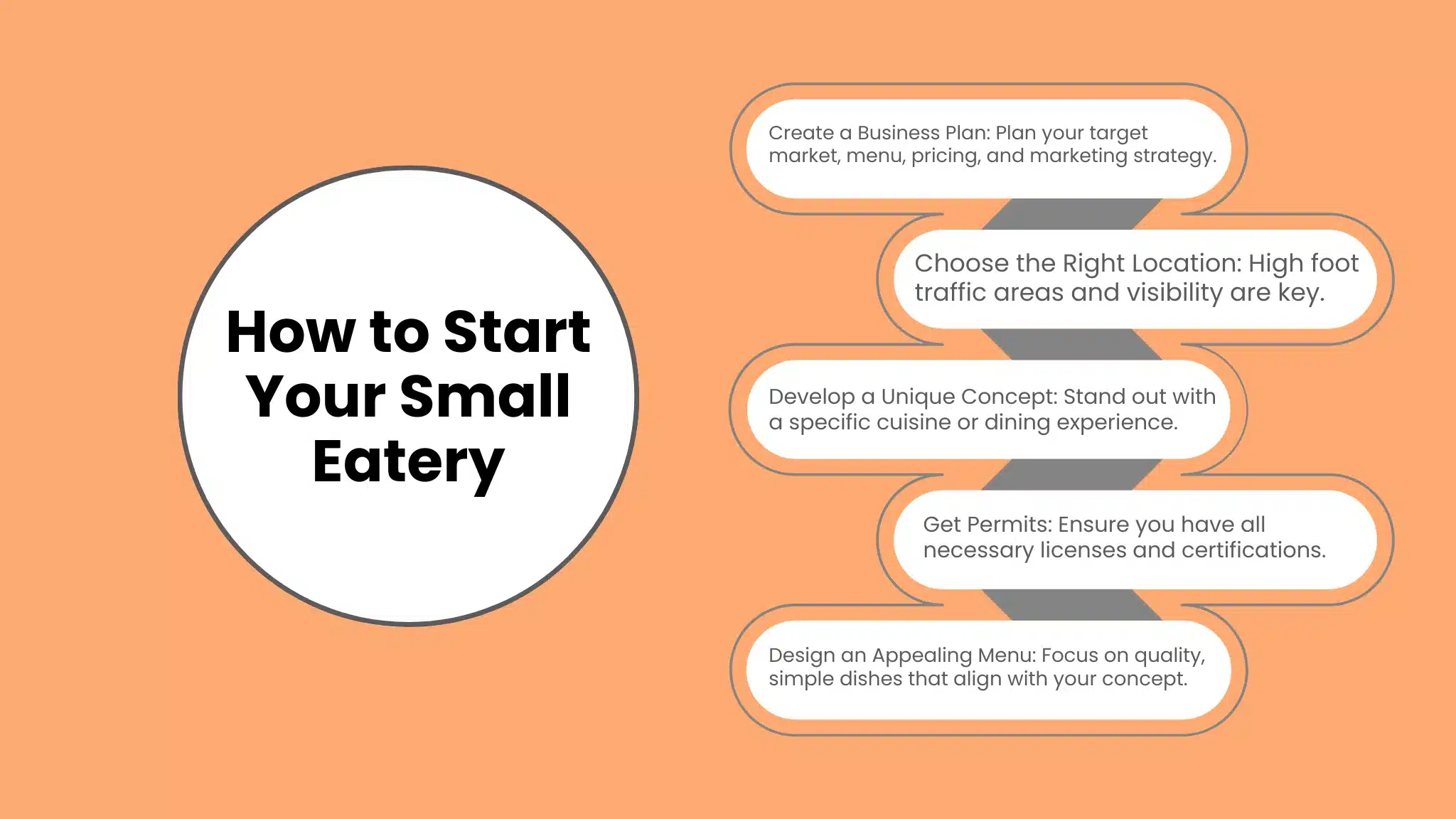
Before you dive into the small eatery world, having a detailed business plan is essential. Your business plan should include your target market, menu ideas, pricing strategies, and marketing plans. This will serve as your roadmap and help you stay focused on your business goals.
2. Choose the Right Location
The location of your small eatery is crucial to its success. Ideally, choose a place with high foot traffic and visibility. Additionally, consider the proximity to other eateries, as you might be competing for the same customer base.
3. Develop a Unique Concept
Standing out in the food industry requires a unique concept. Whether you focus on a specific cuisine, offer sustainable dining options, or specialize in a one-of-a-kind dining experience, your concept should appeal to your target audience and reflect current trends.
4. Get the Necessary Permits and Licenses
To operate legally, you will need various licenses and permits. These can include health permits, business licenses, and food safety certifications. It’s important to check with local authorities to ensure compliance with all regulations.
5. Design an Appealing Menu
The menu is the heart of any eatery. It’s crucial to develop a menu that aligns with your concept and appeals to your target audience. Focus on offering a limited but high-quality selection of items that are easy to prepare, ensuring consistency in taste and presentation.
Key Strategies for Running a Successful Small Eatery
1. Focus on Customer Experience
In 2026, it’s no longer enough to offer great food. Customers seek an exceptional dining experience. Ensure your eatery has a welcoming atmosphere, friendly staff, and efficient service. Additionally, gather feedback to continuously improve the customer experience.
2. Incorporate Sustainability Practices
Sustainability is becoming more important to customers, especially in the food industry. By incorporating eco-friendly practices, such as minimizing food waste, using biodegradable packaging, and supporting local farmers, you can attract environmentally conscious consumers.
3. Implement an Effective Marketing Strategy
In the competitive world of small eateries, marketing is essential. Leverage social media platforms to share your offerings, promote discounts, and engage with your audience. Additionally, consider partnerships with local businesses and influencers to reach a wider audience.
4. Utilize Technology for Efficiency
As the small eatery business in 2026 becomes more tech-driven, adopting digital tools for inventory management, ordering systems, and customer engagement can save time and reduce costs. Incorporating online ordering and food delivery services can also increase revenue streams.
FAQs
What are the initial costs of starting a small eatery?
The initial costs of starting a small eatery vary depending on factors like location, size, and concept. However, you can expect expenses for leasing or purchasing a property, kitchen equipment, licenses, and initial inventory. Budgeting carefully is key to avoid overspending in the early stages.
How can I make my small eatery stand out in a competitive market?
To make your small eatery stand out, focus on offering a unique concept, providing exceptional customer service, and creating a memorable dining experience. Additionally, implementing sustainable practices and having a strong digital presence can differentiate you from competitors.
Is it necessary to offer delivery services for a small eatery in 2026?
While not mandatory, offering delivery services can significantly boost your sales in 2026. Many customers prefer the convenience of ordering food online, especially post-pandemic. Having an efficient delivery system can give you a competitive edge.
Conclusion: Keys to Success in the Small Eatery Business in 2026
The small eatery business is poised for growth in 2026, thanks to evolving consumer preferences and a demand for unique, customizable dining experiences. By following the essential steps outlined above, focusing on customer satisfaction, and staying on top of industry trends, you can build a thriving eatery that appeals to both new and loyal customers.
For more food industry business ideas and strategies, explore this comprehensive guide to help you navigate the competitive food landscape.
The success of your small eatery hinges on your ability to adapt to changing market demands, innovate your offerings, and utilize technology effectively. Remember, the key to standing out in the competitive food industry is providing quality food, a memorable experience, and exceptional service.