Market an Online Startup Business: SEO-First Plan

To market an online startup business, you don’t need a huge budget. However, you do need a clear plan that helps people notice you, trust you, and buy from you.
In fact, most startups don’t fail because the product is “bad.” Instead, they fail because the right audience never finds them, or they don’t communicate value fast enough. So, let’s fix that with a practical marketing roadmap you can use right away.
Start with a simple, strong positioning
Before you post content or run ads, get your message right. Otherwise, you’ll attract the wrong people and waste time.
Ask yourself three quick questions:
-
Who is this for (be specific)?
-
What painful problem do you solve?
-
Why are you different or better?
For example, “project management tool” is too broad. Instead, “project management for remote creative teams who juggle client approvals” is clear and memorable.
Additionally, write a one-sentence value statement you can reuse everywhere. Then keep it consistent across your website, socials, and emails.
Build a website that converts, not just looks good
Your website is your always-on salesperson.
So, make it clear, fast, and focused.
Here’s what a high-converting startup homepage usually includes:
-
A headline that says the result, not the feature
-
A short “how it works” section
-
Social proof (testimonials, numbers, logos, reviews)
-
One main call-to-action (CTA), repeated
-
FAQs that remove doubt
-
A simple footer with contact and key pages
Also, avoid long paragraphs.
Instead, use short blocks of text and clear headings so people can scan quickly.
Most importantly, your CTA should match your stage.
If you’re new, “Start free” or “Join waitlist” can work better than “Buy now.”
Know your audience and where they already hang out
Many founders market everywhere and grow nowhere.
So, choose one primary channel first.
Think about your customers’ daily habits:
-
Do they search on Google for solutions?
-
Are they active on Instagram, TikTok, LinkedIn, or X?
-
Do they discuss tools in Reddit, Facebook groups, or Slack communities?
-
Do they learn from YouTube tutorials?
Then pick the channel that fits your audience and your strengths.
For instance, if you write well, SEO and LinkedIn may be perfect.
On the other hand, if you speak well, YouTube or short videos might win faster.
Create an SEO content plan that brings buyers, not just visitors
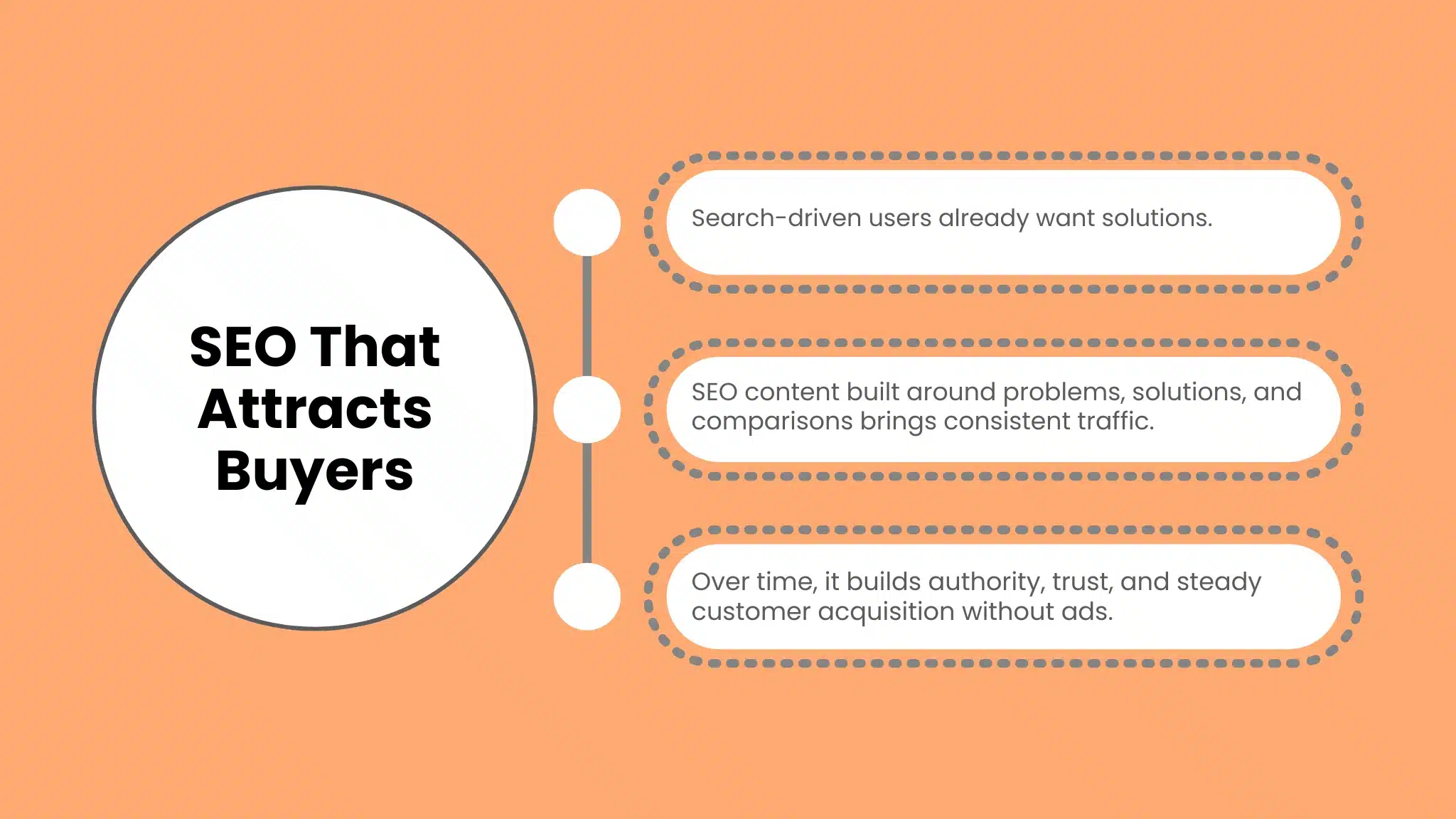
SEO is powerful because it keeps working long after you publish.
However, it only works if you target the right keywords.
Start with three keyword types:
Problem keywords
These are searches from people who feel the pain.
Examples: “how to reduce cart abandonment” or “best invoicing for freelancers.”
Solution keywords
These show intent and usually convert better.
Examples: “best CRM for small business” or “email automation tools.”
Comparison keywords
These are bottom-funnel and very valuable.
Examples: “Tool A vs Tool B” or “best alternative to ___.”
Next, create 8–12 content topics around your product’s core benefit.
Then publish consistently, even if it’s once per week.
Also, keep each article simple and structured:
-
A clear intro
-
Short sections with headings
-
Practical steps
-
Examples and tips
-
A natural CTA at the end
Meanwhile, reuse every blog post into smaller pieces for social media.
That way, one idea fuels many channels.
Use social media like a conversation, not a billboard
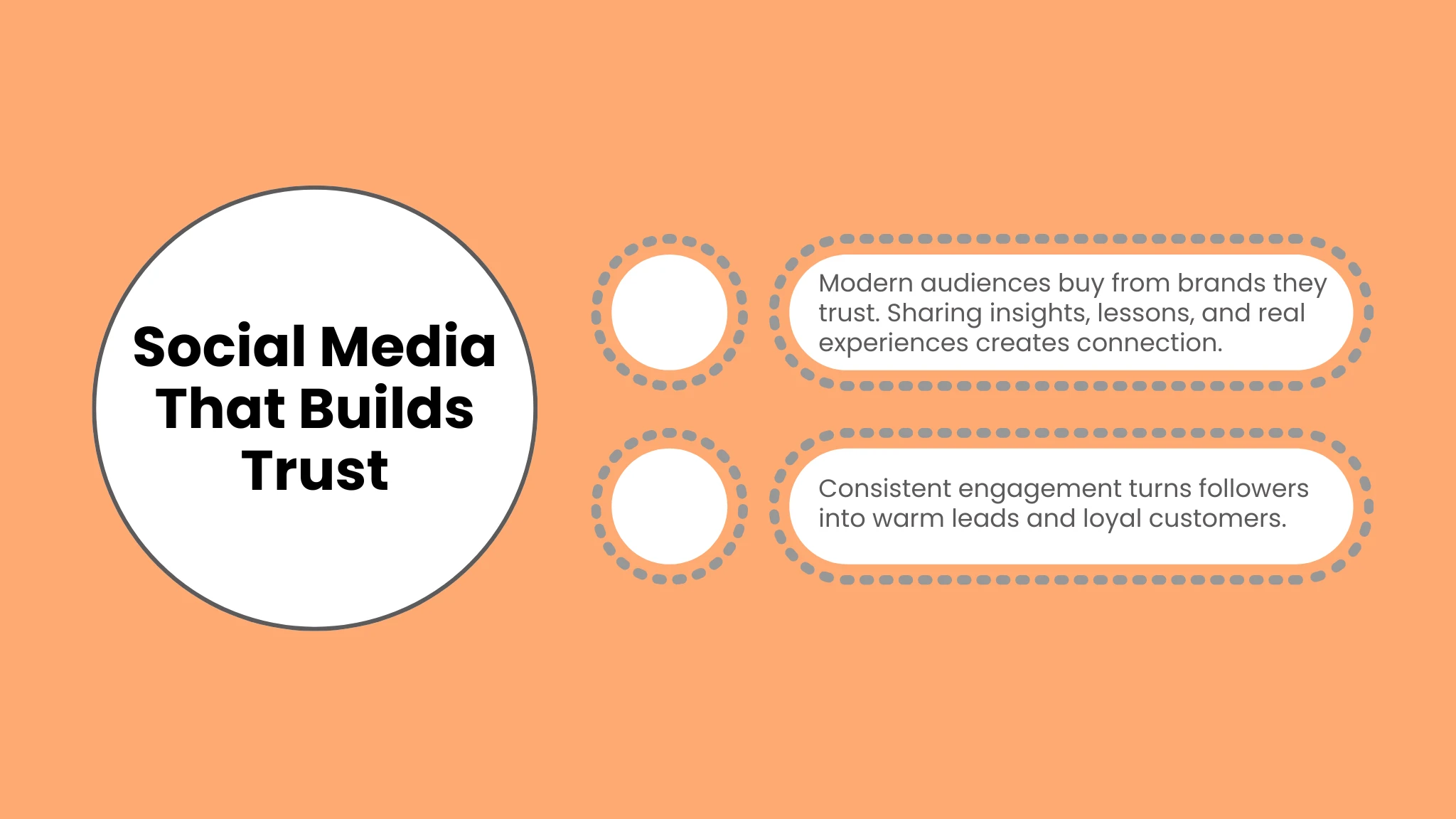
Social media works best when people feel you’re real.
So, focus on helpful content and honest storytelling.
Try these post styles:
-
“What we learned building this”
-
“Mistakes to avoid”
-
Quick how-to tips
-
Customer wins (even small ones)
-
Behind-the-scenes progress
-
Simple opinions with reasons
Additionally, reply to comments and DMs quickly.
Because engagement builds trust, and trust drives sales.
If you’re short on time, choose one platform and post 3–4 times weekly.
Then improve from there.
Build an email list early and treat it like an asset
An email list is one of the safest growth channels.
Because algorithms change, but your list stays yours.
Offer something small to earn sign-ups, like:
-
A checklist
-
A short guide
-
A template
-
A mini email course
-
Early access perks
Then set up a simple 5-email welcome sequence:
-
The “why” story + what they’ll get
-
A quick win tip + your best resource
-
Common mistake + how to avoid it
-
Proof (testimonial, result, mini case study)
-
A clear CTA (trial, demo, call, purchase)
Also, keep emails short and friendly.
As a result, people actually read them.
Add social proof fast, even if you’re new
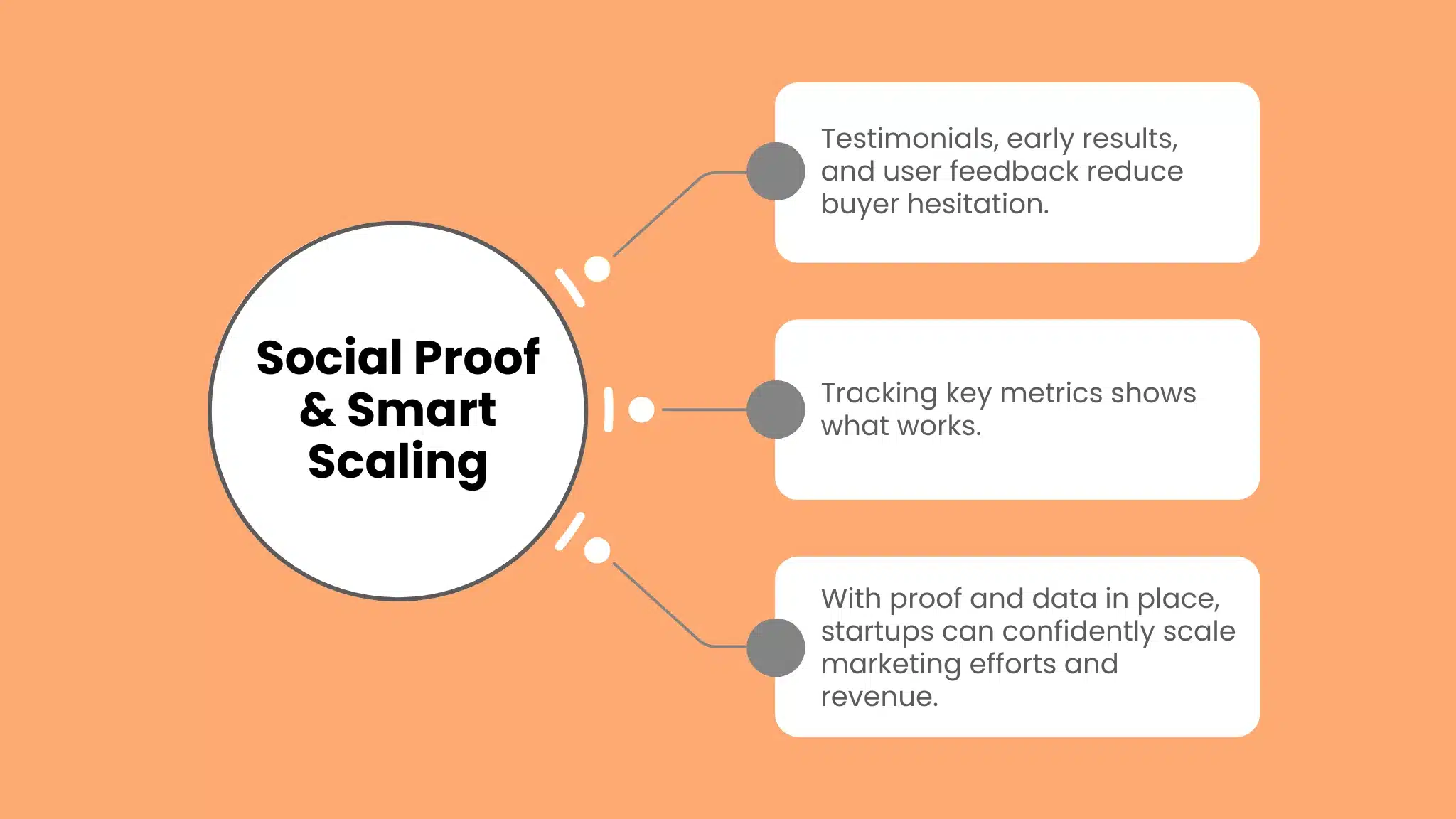
Social proof reduces fear.
So, collect it early and use it everywhere.
Easy social proof ideas:
-
Short testimonials from beta users
-
Before/after screenshots (if relevant)
-
Small metrics like “100+ users joined in 30 days”
-
Feedback quotes from emails or chats (with permission)
-
A “wall of love” style section on your site
Even one strong testimonial can lift conversions.
Therefore, ask for feedback after every small success.
Use partnerships and communities to grow faster
If you don’t have a big audience yet, borrow one.
That’s where partnerships help.
Look for:
-
Creators who talk to your audience
-
Small newsletters in your niche
-
Complementary tools (not competitors)
-
Community leaders and group admins
Then propose a simple win-win collaboration, such as:
-
A guest post (no links needed—focus on value)
-
A joint live session
-
A free workshop for their audience
-
A shared resource or template
Also, be generous first.
Because relationships grow quicker when you provide value upfront.
Run paid ads only after you have a working funnel
Ads can speed things up.
However, ads can also burn money if your message is unclear.
Before you spend, make sure you have:
-
A clear landing page
-
Tracking set up (basic analytics)
-
A simple follow-up email sequence
Start small.
Then test one thing at a time: headline, audience, or creative.
Additionally, retargeting often works well because it reminds warm visitors.
So, keep it on your plan once you have traffic.
Track what matters and improve weekly
To market an online startup business, focus on clarity first, then consistency.
Start with strong positioning, build a converting website, and if you’re planning your budget, explore startup business loans with no revenue to understand funding options, then choose one main channel.
Next, create SEO content that answers real buyer questions, while using social media to build trust.
Then grow an email list, collect social proof, and improve your funnel step by step.
Finally, track results weekly and keep testing small changes.
Because when you market with focus, your startup stops feeling invisible and starts growing on purpose.
FAQs
How long does it take to market an online startup business successfully?
It depends on your niche, offer, and consistency.
However, many startups see early traction in 4–12 weeks if they publish content, engage daily, and follow up with email.
Should I focus on SEO or social media first?
Choose the one you can do consistently.
SEO is slower but long-lasting, while social can be faster but needs regular posting.
What’s the easiest marketing channel for beginners?
Email is often the easiest to control.
Additionally, simple SEO blogs targeting clear problems can work well without advanced skills.
Do I need a big budget to get customers?
No.
In fact, clear positioning, helpful content, and strong follow-up can bring customers even with a small budget.
How do I know if my marketing message is working?
If visitors understand your offer quickly and take action, it’s working.
If people are confused or bounce fast, simplify your headline and value statement.
Conclusion
To market an online startup business, focus on clarity first, then consistency.
Start with strong positioning, build a converting website, and choose one main channel.
Next, create SEO content that answers real buyer questions, while using social media to build trust.
Then grow an email list, collect social proof, and improve your funnel step by step.
Finally, track results weekly and keep testing small changes.
Also, if you’re exploring offline-to-online opportunities, you can check this guide on small eatery business ideas.
Because when you market with focus, your startup stops feeling invisible and starts growing on purpose.