Bootstrapping Business Startup: Build Profit Without Investors
A bootstrapping business startup is one of the smartest ways to build a company while staying in full control. Instead of relying on investors or loans, bootstrapped founders use personal savings, early revenue, and smart planning to grow steadily.
Moreover, this approach helps entrepreneurs avoid debt, reduce risk, and focus on real customers from day one. Although bootstrapping requires discipline, it often leads to stronger and more sustainable businesses. Therefore, if you want freedom, control, and long-term success, bootstrapping may be the right path for you.
What Is a Bootstrapping Business Startup?
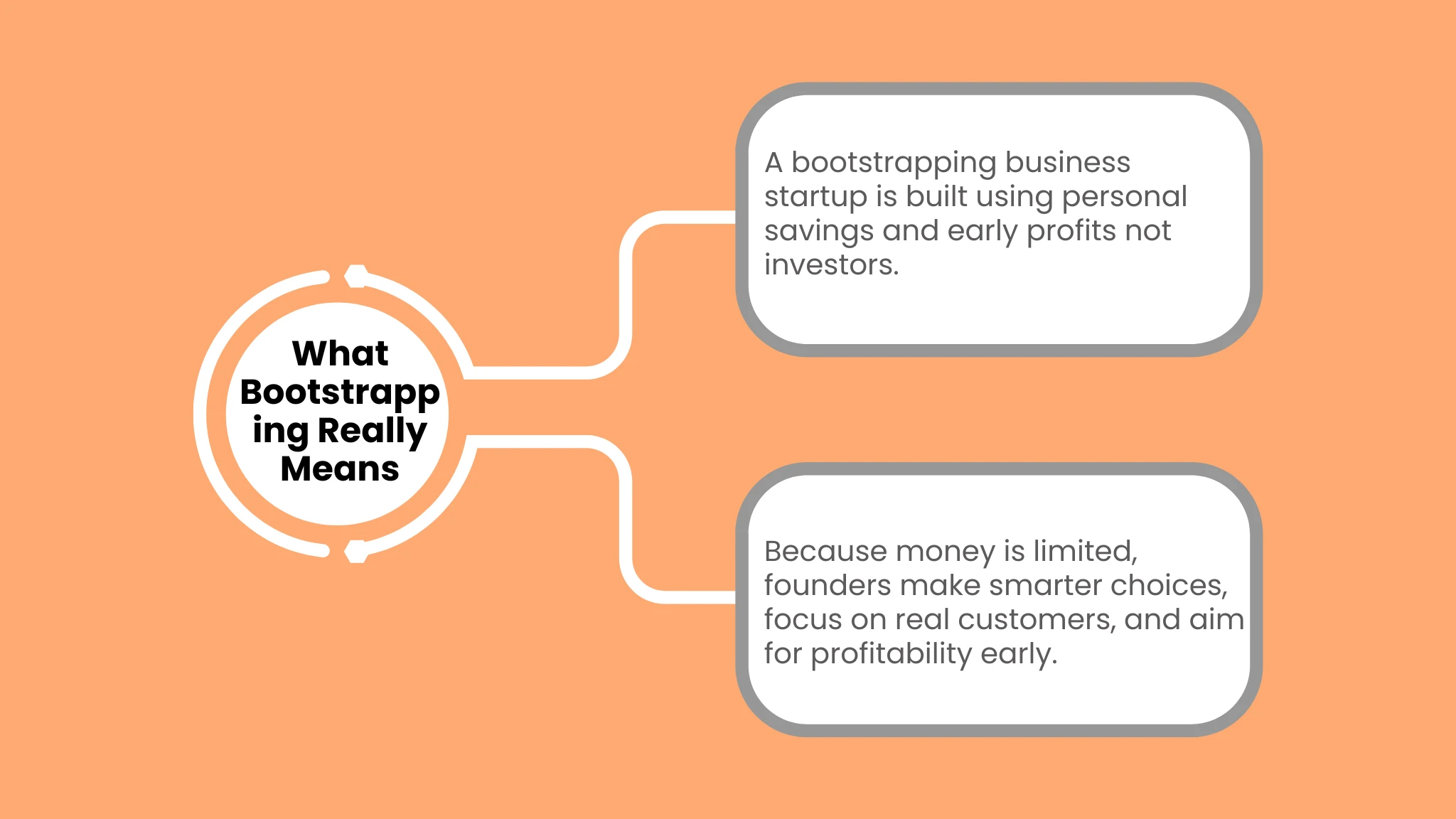
A bootstrapping business startup is a company built using limited resources, usually personal funds or early profits. In other words, the founder finances the business without external funding.
As a result, every decision becomes more thoughtful. Founders focus on profitability early, control expenses carefully, and grow at a realistic pace. Consequently, bootstrapped startups often develop strong fundamentals.
Why Choose Bootstrapping Over External Funding?
Full Ownership and Control
First of all, bootstrapping allows you to keep 100% ownership of your business. Since there are no investors involved, you don’t have to give up equity or decision-making power.
Additionally, this freedom allows founders to stay true to their vision. Therefore, you can grow your company the way you want.
Lower Financial Risk: Bootstrapping Business Startup
Unlike funded startups, bootstrapped businesses don’t rely on debt or pressure from investors. As a result, there’s less financial stress and fewer obligations.
Moreover, you only spend what you can afford. This mindset naturally builds long-term stability.
Key Steps to Start a Bootstrapping Business Successfully
1. Start With a Clear and Profitable Idea
Before anything else, your idea must solve a real problem. More importantly, it should have a clear path to revenue.
Instead of chasing trends, focus on what customers truly need. This approach increases your chances of early income, which is essential for bootstrapping.
2. Validate Before You Build
Next, test your idea before investing too much time or money. For example, you can pre-sell, run surveys, or offer a minimum version of your product.
By doing this, you reduce risk. In addition, you gain valuable feedback that improves your final offering.
Managing Finances in a Bootstrapping Business Startup
Keep Costs Extremely Low
At the beginning, every dollar matters. Therefore, avoid unnecessary expenses such as fancy offices or expensive tools.
Instead, use free or affordable alternatives. Moreover, work remotely and outsource only when necessary.
Reinvest Early Profits
Rather than spending profits on personal rewards, reinvest them back into the business. This habit fuels steady growth.
As a result, your startup becomes stronger without relying on outside money.
Smart Marketing Strategies for Bootstrapped Startups
Focus on Organic Growth
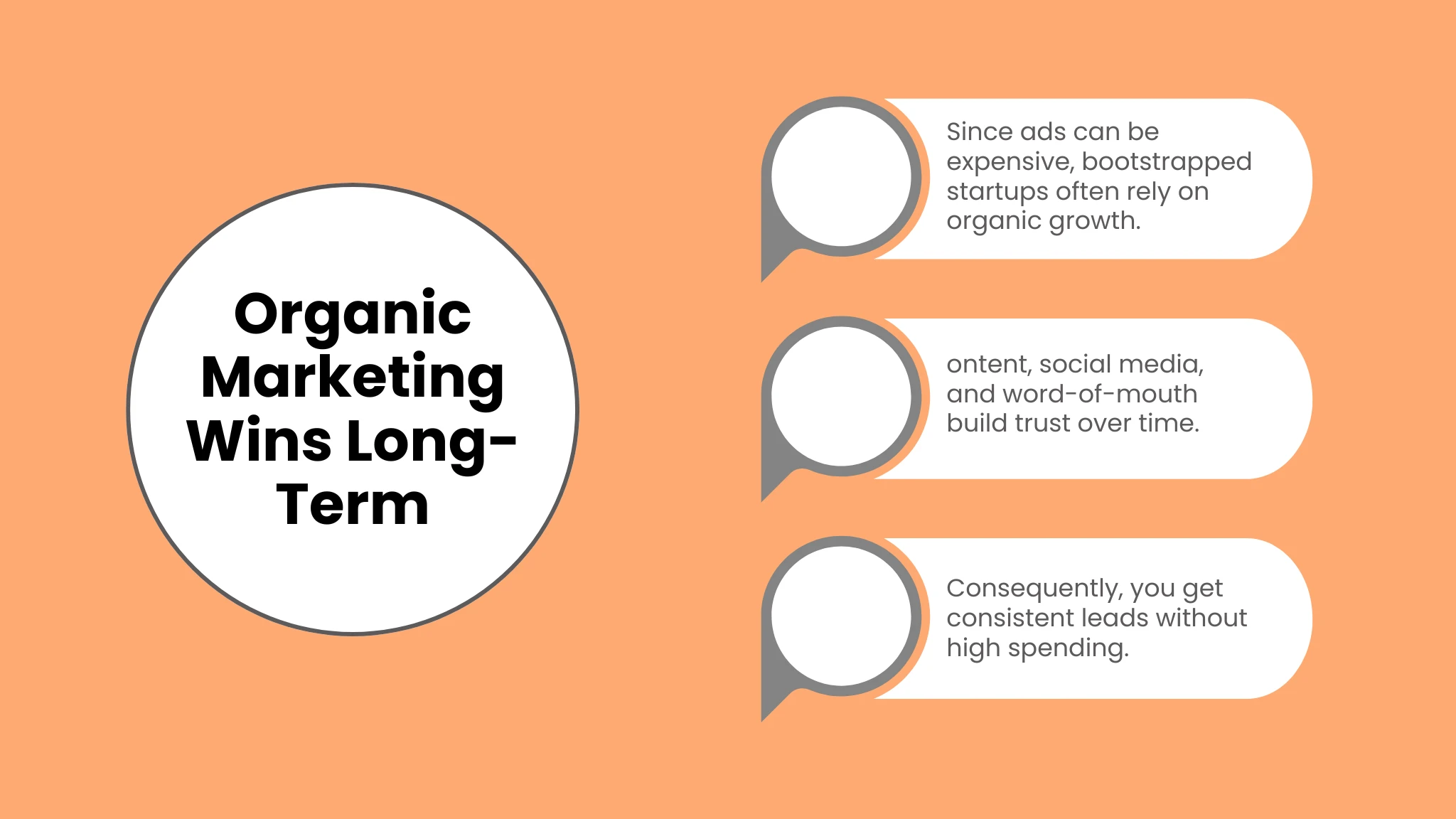
Since paid ads can be expensive, organic marketing is often the best option. For instance, content marketing, social media, and word-of-mouth work well for bootstrapped startups.
Furthermore, these methods build trust over time. Therefore, they create long-term value. For low-budget inspiration, see these low-cost business ideas for kids that also fit a bootstrapping mindset.
Build Relationships, Not Just Sales
Instead of chasing quick wins, focus on relationships. Engage with your audience, listen to feedback, and improve continuously.
Consequently, loyal customers will promote your brand naturally.
Scaling a Bootstrapping Business Startup
Grow at a Sustainable Pace
Although fast growth sounds exciting, slow and steady growth is safer. Therefore, scale only when your cash flow supports it.
Moreover, sustainable growth prevents burnout and financial strain.
Automate and Systemize
As your business grows, automation becomes essential. For example, automate billing, customer support, and marketing tasks.
This approach saves time and reduces costs. In turn, it allows you to focus on strategy.
Common Challenges in Bootstrapping and How to Overcome Them
Limited Resources
Limited funds can feel restrictive. However, creativity often replaces money in bootstrapped startups.
For example, founders learn multiple skills and find smart solutions. As a result, they become stronger entrepreneurs.
Slow Growth: Bootstrapping Business Startup
While bootstrapping may lead to slower growth, it builds resilience. Over time, this steady progress often outperforms rushed expansion.
Therefore, patience is a major advantage.
Mindset Required for a Bootstrapping Business Startup
Discipline and Focus: Bootstrapping Business Startup
Bootstrapping demands discipline. Every decision must be intentional and aligned with long-term goals.
Additionally, focus helps you avoid distractions that waste time and money.
Long-Term Thinking
Unlike short-term investor goals, bootstrapping encourages long-term thinking. Consequently, businesses become more sustainable and profitable.
Real Benefits of Bootstrapping in the Long Run
Over time, bootstrapped businesses often outperform funded ones. Since they rely on real revenue, they build strong foundations.
Moreover, founders enjoy freedom, flexibility, and full control. Therefore, success feels more rewarding.
FAQs
Is bootstrapping a business startup risky?
Bootstrapping involves personal financial risk. However, it reduces debt and investor pressure. With proper planning, it can be safer than external funding.
Can a bootstrapped startup grow big?
Yes, many successful companies started as bootstrapped startups. Although growth may be slower, it is often more stable and profitable.
How much money do I need to bootstrap a startup?
There is no fixed amount. Some startups begin with very little money. What matters most is smart budgeting and early revenue.
Is bootstrapping better than getting investors?
It depends on your goals. Bootstrapping is ideal if you value control and long-term sustainability. Investors may help with faster scaling but reduce ownership.
Conclusion: Bootstrapping Business Startup
A bootstrapping business startup is not just a funding method; it’s a mindset. It teaches discipline, creativity, and resilience. Although the journey may be challenging, the rewards are worth it. By focusing on real customers, managing costs wisely, and growing sustainably, you can build a profitable business without outside funding.
Ultimately, bootstrapping gives you freedom, control, and confidence in every step of your entrepreneurial journey. Moreover, if you want a smart way to manage early expenses while protecting your cash flow, check out our guide on business credit cards for startup businesses.