Best Ukulele Case for Travel Protection Buyer’s Guide
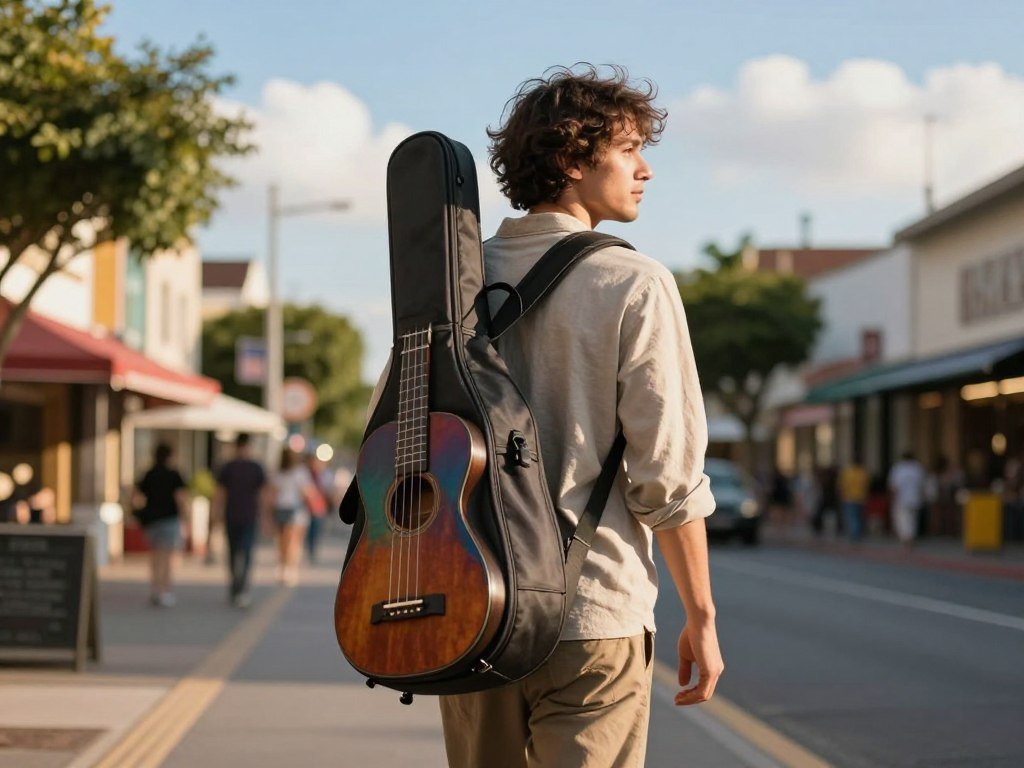
A ukulele that goes to lessons, rehearsals, gigs, or trips needs protection matched to the way it travels. A convenient bag may work well for everyday outings, when you carry your gear yourself. Rough handling calls for a sturdier choice.
Musicians take their ukes on foot, in cars, and through busy airports. Each trip brings different risks, from bumps against other gear to pressure during baggage handling. The best choice keeps your instrument safe without making every trip harder than it needs to be.
This guide offers practical choices for local travel, flying, and valuable instruments. You can weigh easy carrying against stronger protection and choose a case that suits your routine. Start by deciding whether you will carry the uke yourself or entrust it to baggage handling.
Key Takeaways
- Match case protection to the roughest part of your trip.
- Choose a case made for your ukulele’s size and shape.
- Carry your instrument in the cabin when flying, and check airline rules.
- A padded gig bag suits many local trips with self-carrying.
- Use a hard-shell case when impact protection matters most.
- Keep the instrument away from dry air, direct sun, and hot cars.
What Level of Protection Does Each Case Type Offer?
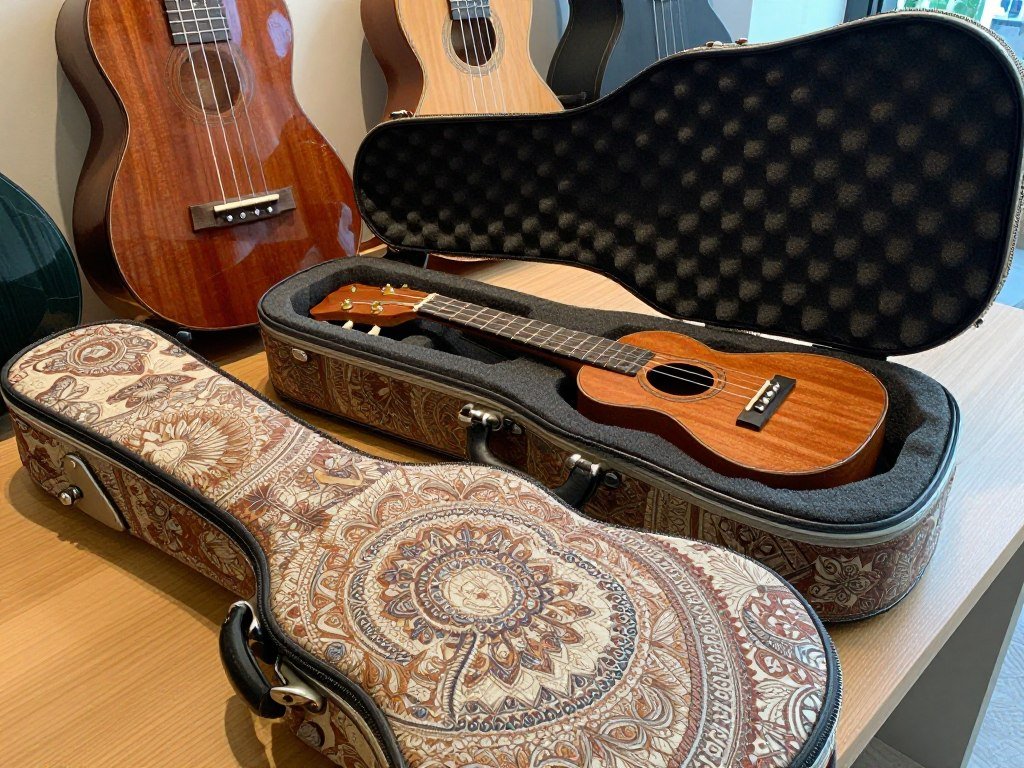
A hard-shell case gives the strongest impact protection, while a gig bag is lighter and easier to carry. A soft-shell case uses a foam core with a flexible fabric exterior, adding structure without a rigid outer shell.
Choose protection based on the bumps and pressure your ukulele may face. Covers, padded gig bags, soft-shell cases, and hard-shell cases each balance protection and portability differently.
Covers and basic gig bags
A thin cover mainly keeps off dust, scratches, and minor bumps. It adds little protection if other equipment presses against the instrument. A padded gig bag has a flexible fabric body with padding, often including a shoulder strap or handle.
Padding can soften light knocks during everyday trips. It does not make the bag rigid, so the instrument can still face pressure from heavy or sharp gear. Check the seams and padding, not just the bag’s look.
Foam-core and soft-shell cases
Soft-shell cases place a foam core between the ukulele and a flexible fabric exterior. They hold their shape better than a basic padded gig bag, while staying easier to carry than many rigid cases.
Foam thickness and case shape affect how much structure you get. A soft-shell case can suit regular travel when you want more support but still carry the instrument yourself.
Hard-shell cases
A hard-shell case has a rigid outer shell and a fitted interior. Common shell materials include plywood, carbon fiber, thermoplastic, and fiberglass. Weight and toughness differ by material and design.
Hard-shell cases are usually bulkier, but their firm walls can help resist outside impacts. Use this comparison to weigh the main choices:
| Type | Construction | Impact protection | Typical carry style |
|---|---|---|---|
| Cover | Flexible fabric | Dust and scratches | Hand carry |
| Padded gig bag | Fabric with padding | Light-bump protection | Hand or shoulder carry |
| Hard-shell case | Rigid shell and fitted interior | Strongest of these three | Handle or shoulder carry |
Treat a thin cover as a dust cover, not as protection for a ukulele being transported among other gear.
Case design also affects how easily you can reach pockets, handles, and straps. Those details matter when you walk between stops, but they do not replace the case’s main job.
How Will You Carry Your Ukulele on the Trip?
A padded backpack bag is convenient for a walk to rehearsal, but checked-airline baggage calls for a different level of caution. Keep control of your instrument when you can, and match the case to the way it will move.
Carry a ukulele in the cabin rather than checking it when flying. U.S. airlines must accommodate a cased instrument as carry-on when it can be safely stowed and space is available, but rules and aircraft limits vary.
Walking, lessons, and car travel
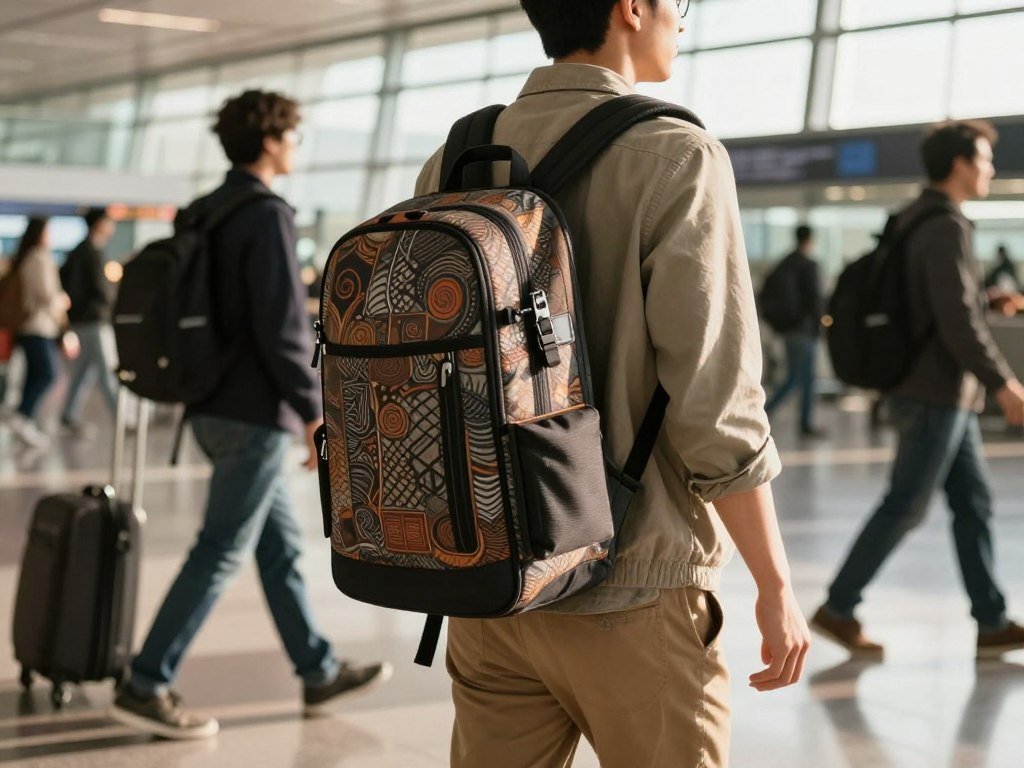
Backpack straps keep your hands free on a walk to school, a gig, or a lesson. Some hard-shell cases also have straps, letting you carry the case on your back without giving up its firm outer shell.
For car travel, place the case where it cannot slide or get crushed by other items. Modern Mono and Gator backpack gig bags use thick foam on all sides to create a stiff structure, but they are not recommended for the cargo hold.
Flying with a ukulele
The U.S. Department of Transportation’s instrument guidance explains when airlines must allow a musical instrument in the cabin. Space and acceptance can still vary, so check your airline’s current rules before your trip.
| Trip | Carry method | Protection priority | Key handling concern |
|---|---|---|---|
| Walking or local trips | Hand, shoulder, or backpack | Padding for bumps | Keep straps secure |
| Car travel | Place case in the cabin | Firm, stable placement | Prevent sliding or crushing |
| Air travel | Carry in the cabin | Keep the instrument with you | Cabin space and airline rules |
Run through these four checks before travel:
- Keep the uke with you when flying.
- Avoid placing it beneath heavy gear.
- Secure it in the car.
- Check airline cabin rules before departure.
Confirm the airline’s current cabin rules before leaving for the airport.
How Should a Ukulele Fit Inside Its Case?
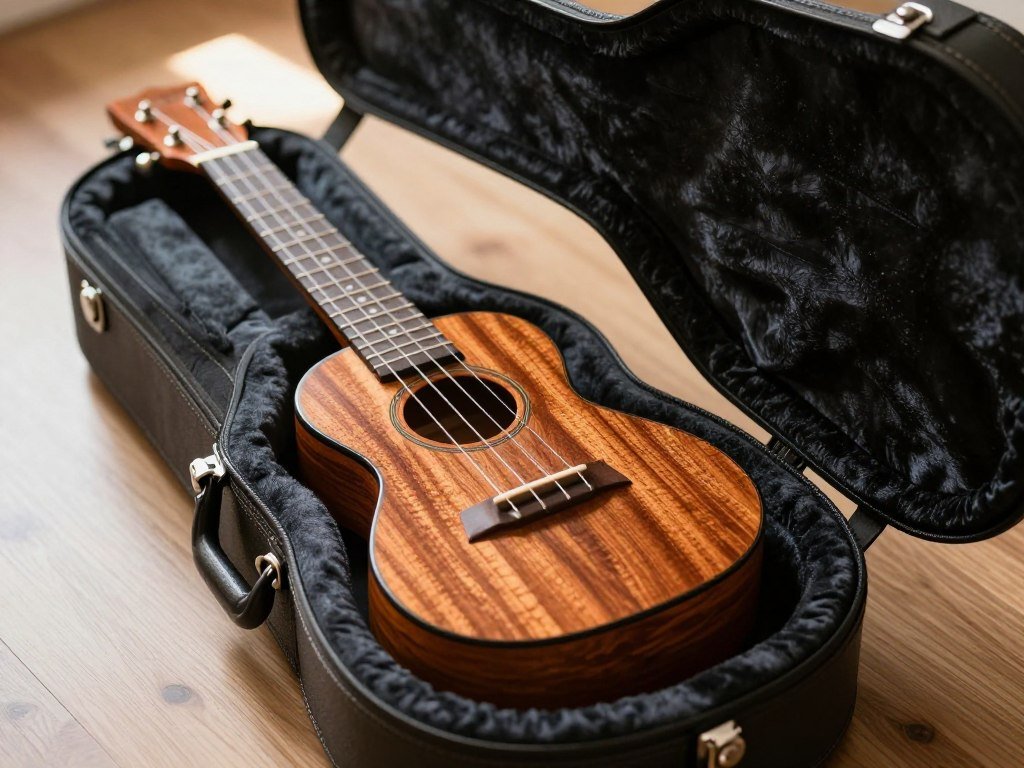
A well-fitting case holds the ukulele securely without squeezing it. Start with the size label, then check how your instrument sits inside the case.
The uke should not shift when the open case is gently moved. Ukuleles commonly come in soprano, concert, tenor, and baritone sizes, but labels alone do not confirm a proper fit.
Use this fit checklist before buying:
- Verify the case lists your instrument size.
- Check that the body and neck sit securely.
- With the lid open, confirm the instrument cannot move around.
- Close the lid and make sure it gently holds the uke without pressure.
A case that is too large lets the instrument slide. One that presses on the body or neck can cause its own problems. The headstock should also rest without strain.
If possible, try the instrument in the case before buying, especially when its shape is unusual.
How to Choose the Best Ukulele Case for Travel Protection
For a typical player carrying a uke to lessons or local gigs, a padded travel bag balances protection with easier handling. The Kala Transit Series is a balanced choice for self-carried day trips and local travel.
Choose a hard-shell case when impact protection matters more than light weight. It is a better fit for a valuable instrument or trips where gear may be stacked around it.
Match the case to your usual trip:
- For local lessons or school, choose a padded bag that is easy to carry.
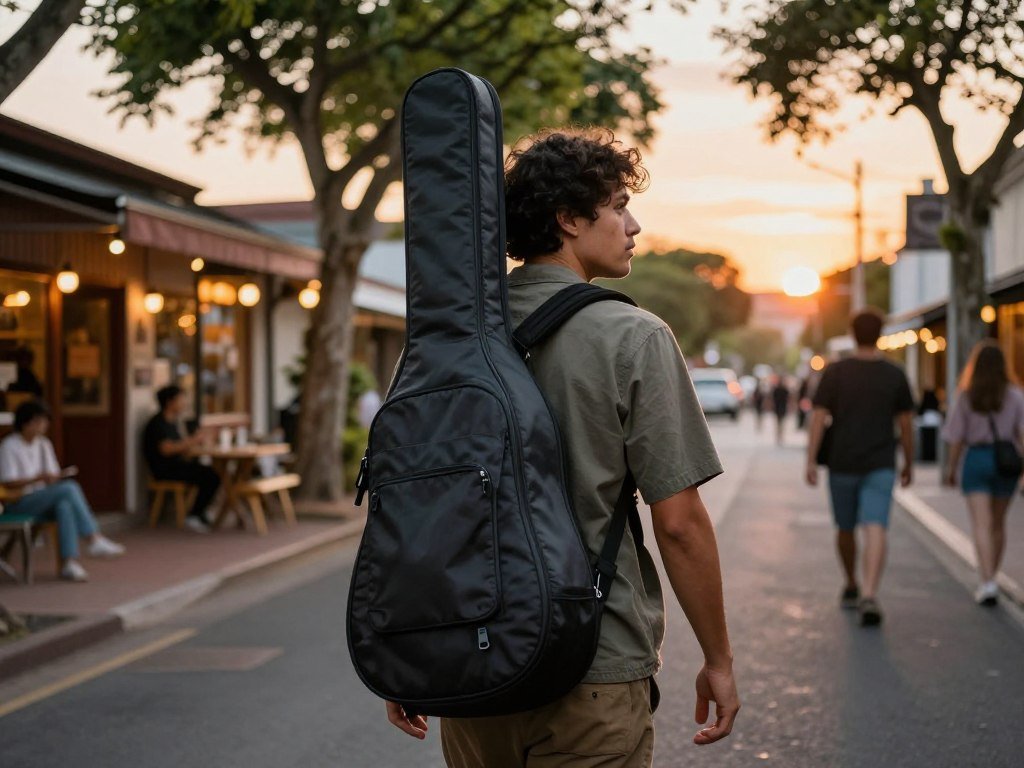
- For walking to a gig, favor backpack straps that keep your hands free.
- For carrying a valuable uke, choose a hard-shell case for added impact protection.
- For air travel, keep the instrument in the cabin with you.
Even a padded backpack bag should not be treated as a cargo-hold case. If you must hand over an instrument, a hard-shell case still cannot promise careful handling.
Think about the whole route, including stairs, crowded hallways, car rides, and time spent waiting. The best case is one you can carry comfortably without taking a shortcut on the protection you need.
Choose a case that suits the roughest part of the trip, not just the easiest part.
How Can You Protect the Ukulele From Humidity, Heat, and Dust?
A case cannot prevent damage from every storage condition, especially dry air or excessive heat. Wood needs steady care, even when the instrument rests at home between trips.
A humidity range of 45-60% is ideal for a ukulele. Dry conditions can damage wood, leading to cracks or frets that protrude from the fingerboard.
In a dry climate, use a small instrument humidifier and keep an eye on the room’s humidity. The 45-60% humidity range gives you a useful target. D’Addario Small Instrument Humidifier and Oasis Ukulele Humidifier are two examples.
Dust can collect around the strings and other parts, so close the case when the instrument is not in use. A hard-shell case can help limit physical damage and sudden changes in temperature and humidity.
Protec cases are known for sturdy, lightweight, water-resistant designs suited to travel. Those features can help during a trip, but the case does not make a hot storage spot safe.
Keep the ukulele out of direct sun and never leave it in a hot car, even for a short stop.
Is the Kala Transit Series Gig Bag a Good Travel Option?
The Kala Transit Series gig bag is a padded, water-resistant option for players who carry their own instrument. It is practical for self-carrying, with multiple ways to move the bag and room for small extras.
The Transit Series is a gig bag, not a hard-shell case. It suits many local trips, though it should not be treated as protection for checked cargo.
Transit Series features and available sizes
As of 2026, the Kala Transit Series comes in soprano, concert, tenor, and baritone sizes. It has water-resistant construction, removable plush padding, a carrying handle, and an accessory pocket.
Kala introduced the series at the end of 2017. Its mix of padding and carrying options makes it useful for getting to lessons, rehearsals, and local gigs with the instrument in your care.
What to know about the baritone bag
As of 2026, the baritone bag has 20mm padding, a water-resistant polyester exterior, and velvet lining. It has one handle, two backpack straps, and one exterior pocket.
The bag weighs 3.8 lbs. Its interior measures 32.75 inches overall, with 17.5 inches of body length and 3.75 inches of body depth.
The lower bout measures 11 inches wide, while the upper bout measures 8.5 inches wide. Compare these baritone bag interior dimensions with your own instrument, since body shapes can differ.
For a baritone, compare the instrument’s measurements with the listed interior dimensions before purchasing.
What Should You Budget for a Travel Case?
A basic gig bag typically costs less than a high-end hard case, while added padding and stronger construction can raise the price. Plan for the protection you need, rather than paying more for a look alone.
Typical price ranges run from about $20 to more than $300. These broad ranges describe case categories, not a quote for any named product.
Typical price tiers
Budget gig bags typically cost about $20-$40. They can suit school, short walks, or a player who needs a simple way to carry the instrument.
Mid-range padded bags typically cost $50-$100. High-end hard cases can range from $100-$300+. These are broad category ranges, and a specific bag may sit outside them.
What changes the price
Materials and construction affect what a case costs. A rigid shell and fitted interior usually require more than a flexible fabric bag, while added padding can raise the price.
Carrying features also matter. Backpack straps, sturdy handles, and accessory pockets add convenience, though you may not need every extra for a short trip.
Prioritize a secure fit and the level of protection your trips demand; a higher price alone does not promise a safer instrument.
Quality comes from the parts that protect the uke and hold up to your routine. A student carrying a bag to school each week may value different features than a player taking a valuable instrument on longer trips.
Compare the protection and fit you will actually use before paying more for extra styling or pockets.
Conclusion
The right travel case is the one that fits your ukulele securely and matches the handling it will face. A well-fitting hard-shell case is the choice when maximum impact protection matters, while a padded gig bag suits lighter trips when you carry the instrument yourself.
Your routine, the instrument’s value, and the way you travel all shape the best choice. Take time to check the case size against your uke, then try the fit before relying on it for every trip.
Measure your uke, decide how you will carry it, and test the fit before your next trip.
FAQ
Can I bring a ukulele as a carry-on?
Usually, plan to keep your ukulele with you in the cabin, but check the airline’s current instrument and cabin-baggage rules. Airlines must allow a cased instrument when it can be safely stowed and space is available. Space and acceptance can vary by aircraft and flight, so check before departure. A soft case may be easier to fit in a tight cabin.
Can a ukulele gig bag protect an instrument in an airplane’s cargo hold?
No, a gig bag is not recommended for an airplane’s cargo hold. Even modern backpack bags with thick foam on all sides are not made for that handling. A hard-shell case offers a stronger outer barrier, but it still cannot guarantee careful handling. Keep your instrument with you in the cabin when possible.
Is a water-resistant ukulele bag waterproof?
No, water-resistant construction does not make a ukulele bag waterproof. It can help with light exposure, such as a brief sprinkle, but it is not protection from soaking or prolonged rain. If the bag gets wet, dry its exterior and check the instrument and lining. Do not leave the case in standing water.
How do I protect a solid-wood ukulele in a dry climate?
Use a suitable instrument humidifier and monitor the environment. The ideal humidity range for a ukulele is 45-60%, and dry conditions can harm wood over time. D’Addario Small Instrument Humidifier and Oasis Ukulele Humidifier are examples made for small instruments. Follow the humidifier’s directions, and avoid placing it where it can leak onto the wood.
Will any baritone ukulele fit a baritone case?
No, a baritone label alone does not guarantee a fit. Compare your instrument’s body and overall measurements with the case’s interior dimensions. Check the body length, depth, and upper and lower bout widths, along with total length. The uke should rest securely without pressure from the closed lid.
Is a backpack gig bag safer than a regular gig bag?
Backpack straps make hands-free carrying easier, but they do not automatically make a bag safer. Protection depends on the bag’s padding and construction, not just its straps. Thick foam can create a stiffer shape, yet backpack gig bags are still not recommended for checked cargo. Use the straps for walking while keeping the instrument with you.
About The Author